Palau
It is no secret that divers love to talk about travelling to dive as much as actually diving, if not more. One of the destinations that is mentioned the most frequently in these conversations is the legendary West Pacific island nation of Palau, which is described as having some of the most versatile, spectacular diving on the planet. As a professional underwater creative who documents multiple types of underwater scenes (big animals, macro, wrecks, caves), this immediately piqued my interest. Having just finished a very busy year, and in need of a destination that had good diving in December and was easily accessible via Australia, it didn’t take long for me to start arranging a last minute trip to Palau.
If you live within the ANZ region like I do, Qantas regularly runs a 5-6 hour flight that leaves every Saturday morning from Brisbane and returns every Sunday afternoon, and you can check your luggage all the way from your original destination. Make sure you book a window seat though, because the descent will treat you to gorgeous views of the various islands of the archipelago. For this trip, I was very fortunate to be a guest of Fish N Fins, a well-known dive operation that pioneered diving in Palau decades ago and has a high rate of repeat customers. Big shoutout to the founder and owner, Tova Harel, for taking care of me both before and during the trip, and facilitating a vibe for the operation that made it feel more like an intimate family business and a community - a welcome contrast to the anonymous, commercialised vibe of infamous ‘sausage factories’. Our dive guides and captains we had the whole time could not have been better, and they tirelessly took us to a plethora of world class dive sites every day without fail. In between dives, I stayed at the Palau Royal Resort, which is about a two minute drive away from the shop, and arguably the best hotel within Koror. My experience as a guest was faultless, and I would happily stay again. I should add a disclaimer that a trip to Palau is not cheap compared to budget destinations like Thailand or Bali, but if you can fork it out and plan in advance, it will absolutely be worth every cent.
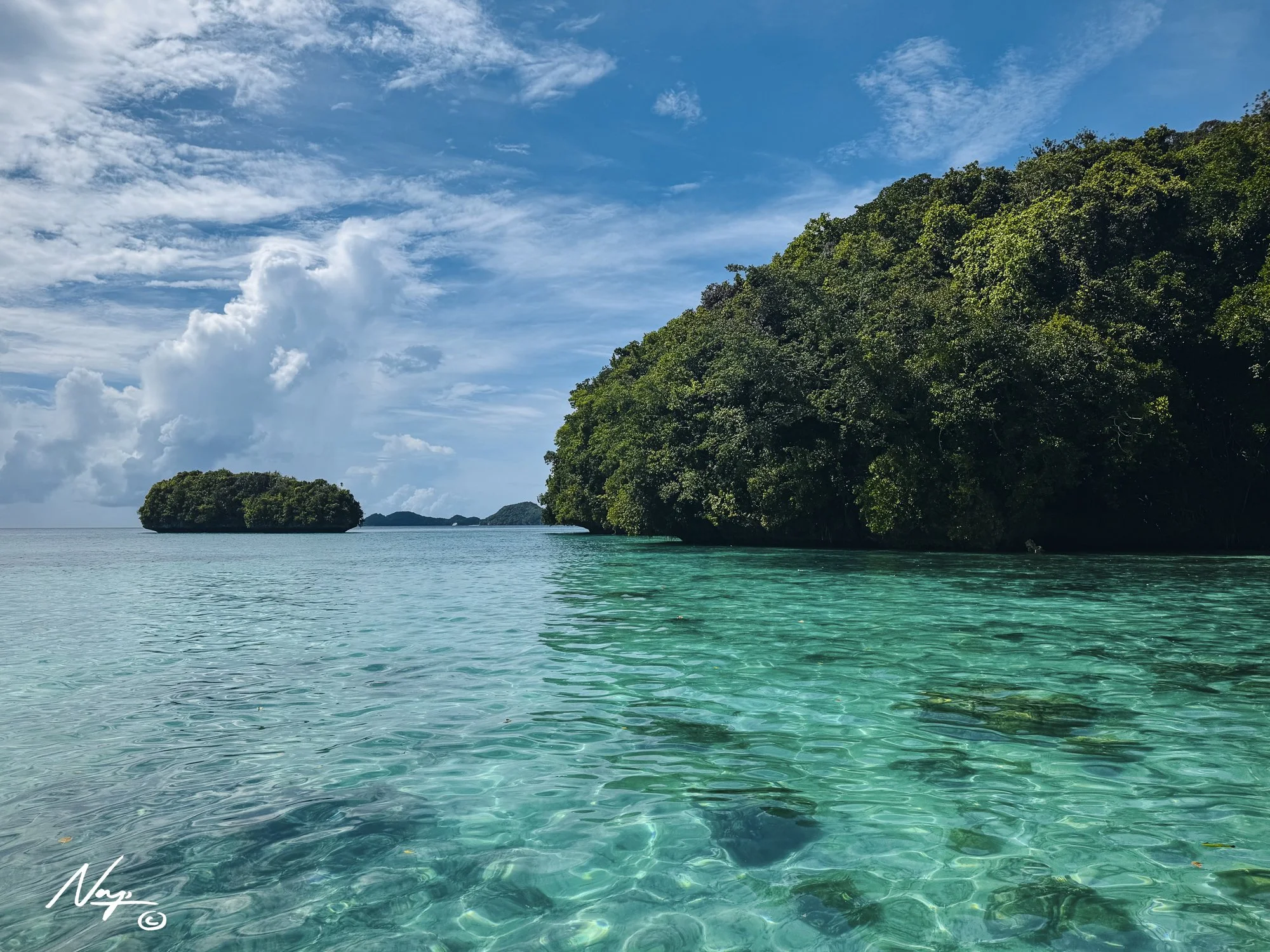
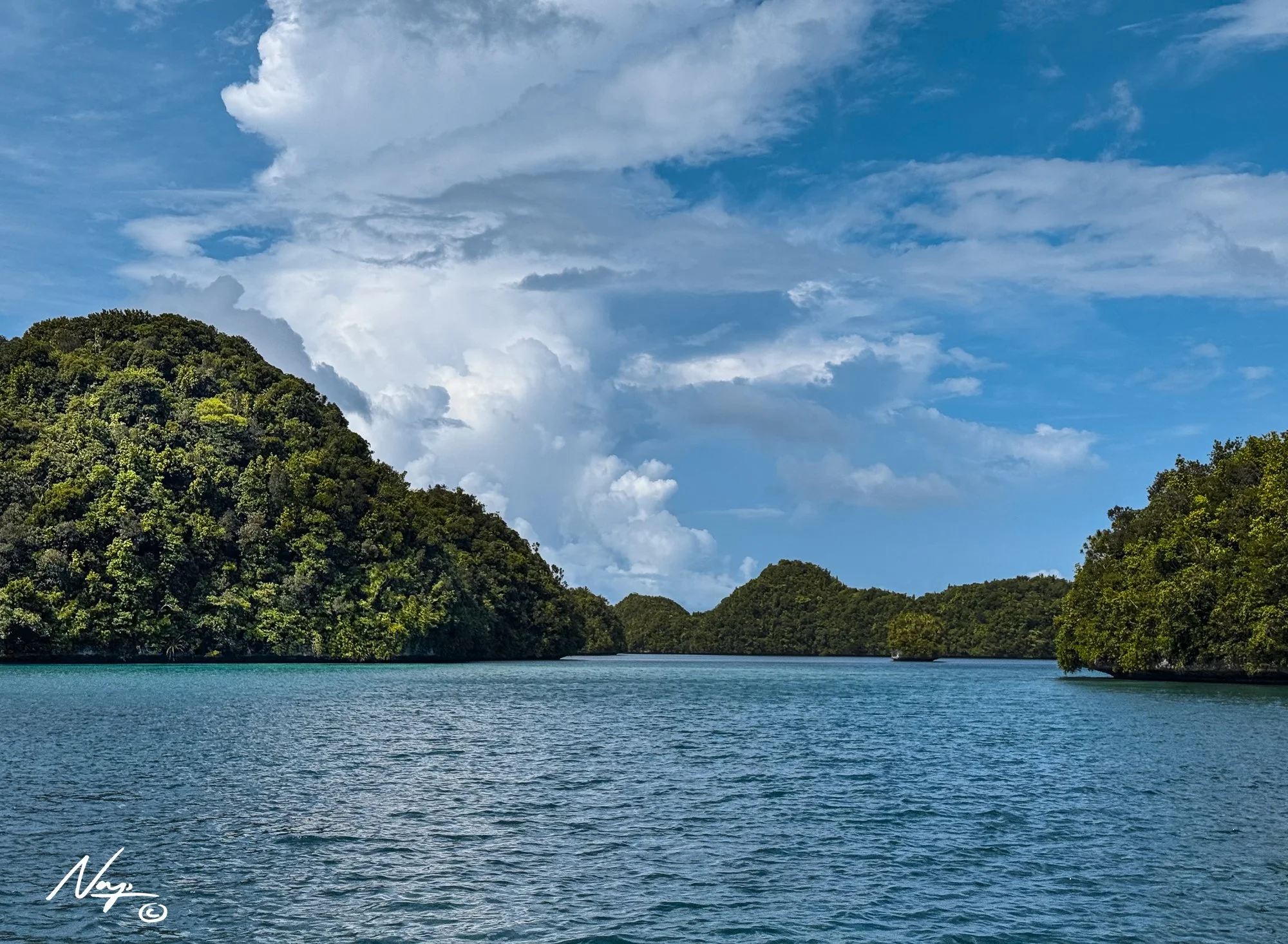
If you are doing land based diving tours, each day commences with a visit to the shop to get gear sorted, followed by a one hour boat ride out to sea. Although the convenience of a liveaboard is indisputably preferable, doing land-based diving tours is totally manageable, and can be a great chance to either socialise with the other divers or meditate in silence whilst soaking in views that give other tropical destinations a run for their money. Palau’s versatility in its dive sites is a big part of the reason why divers flock here every year. I could wax rhapsodic about the various drop-offs, channels, macro sites, pelagic sites, wrecks and caverns all day long, but from that list, there were three categories of sites that I visited which particularly appealed to me:
#1 - Channels
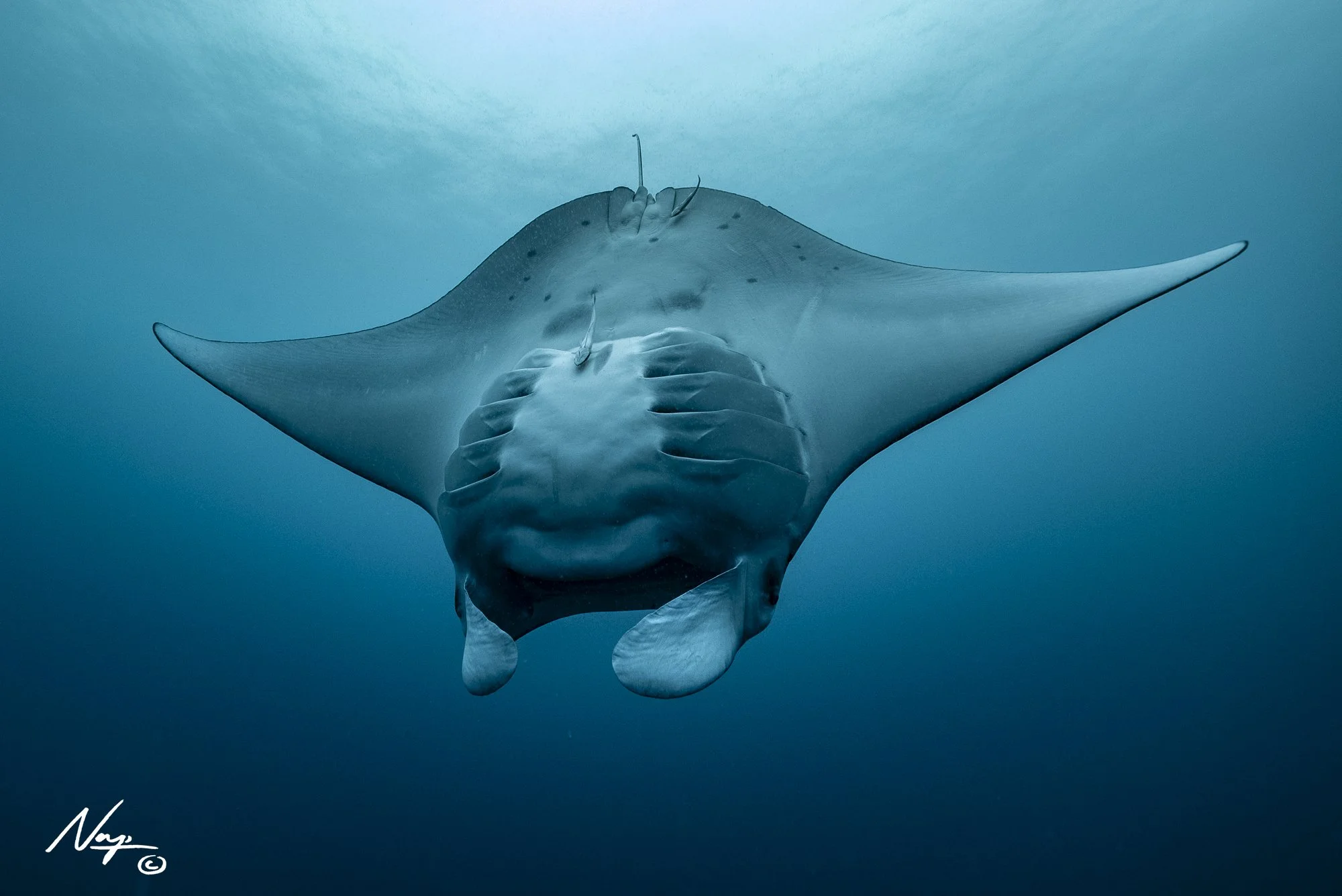
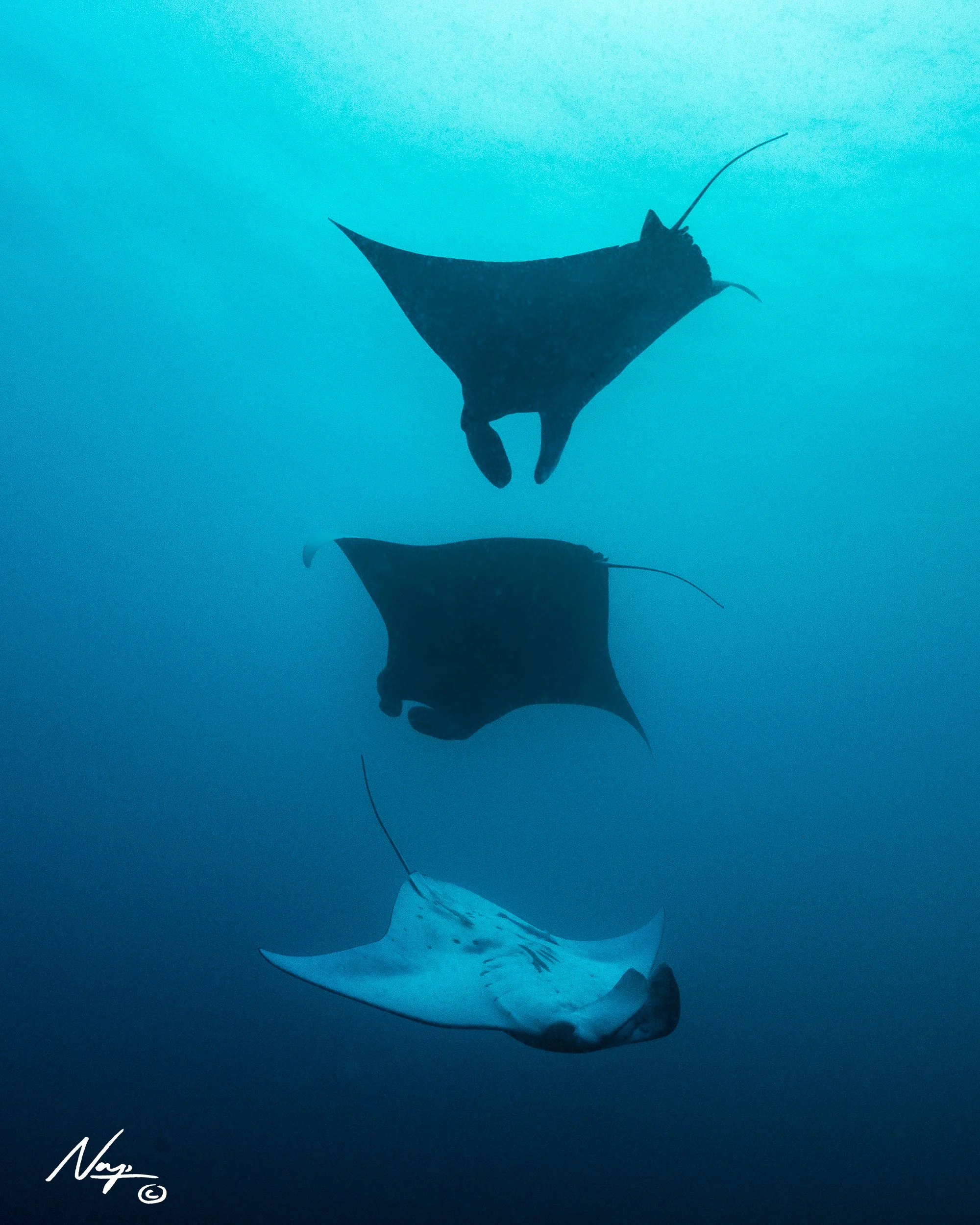
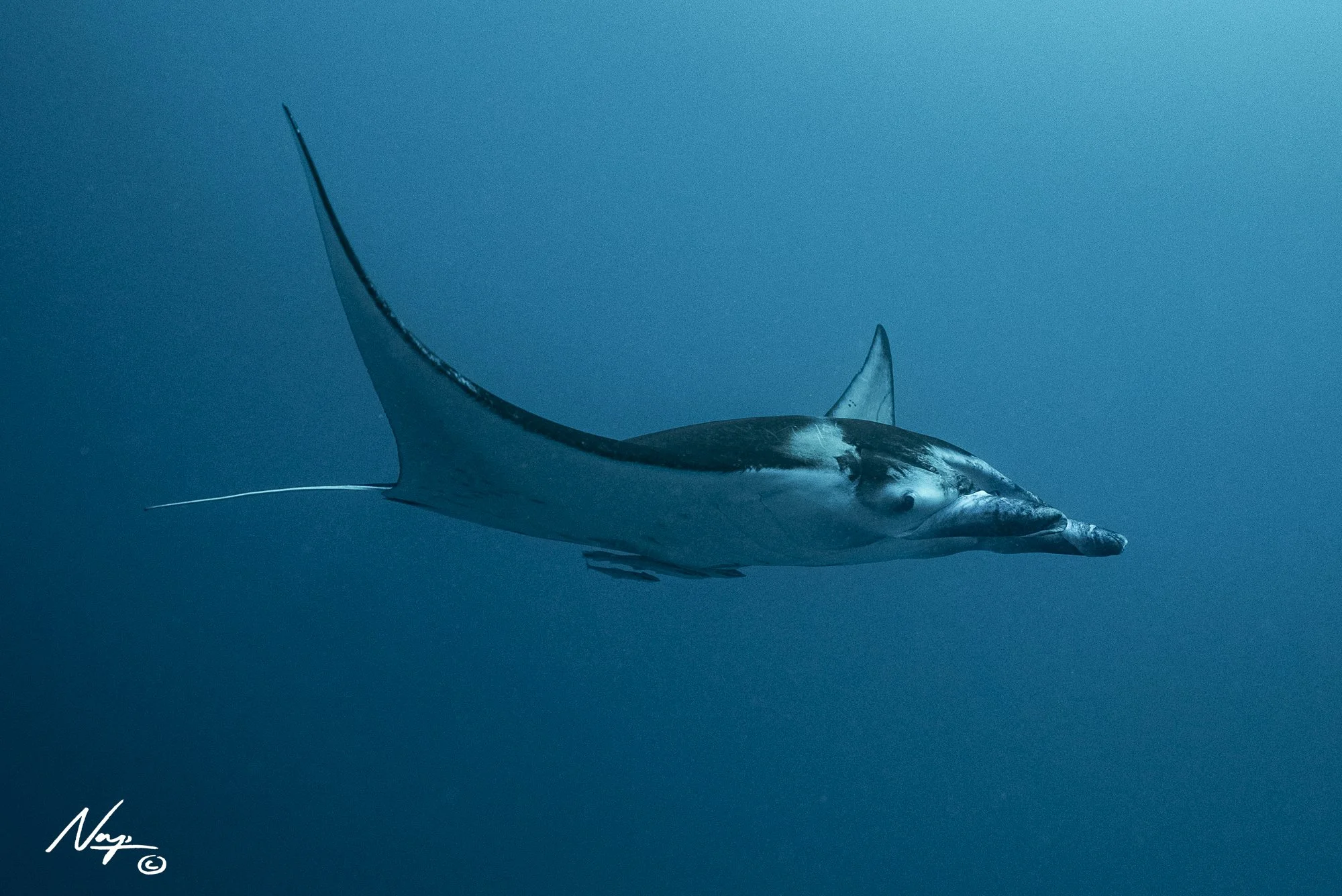
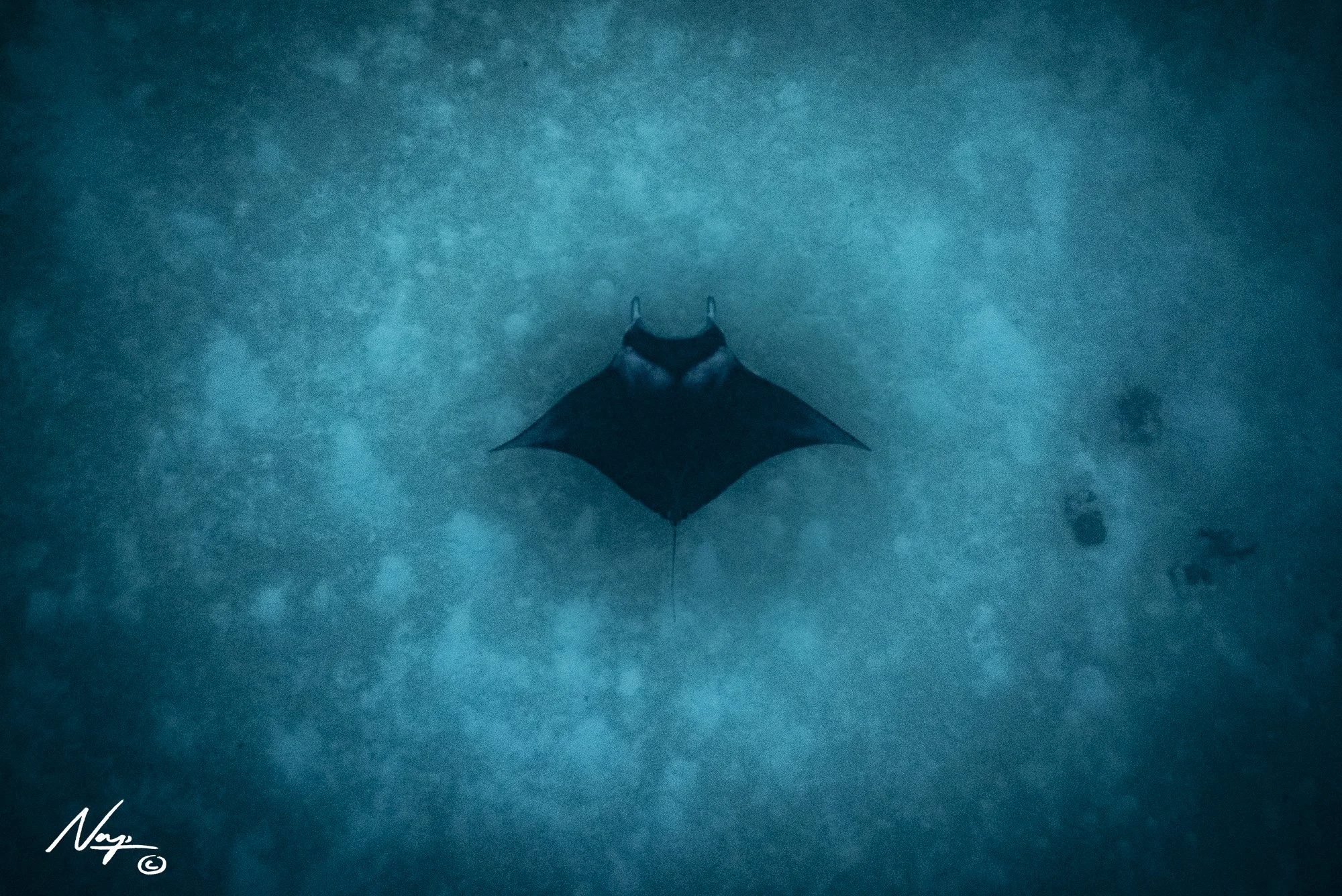
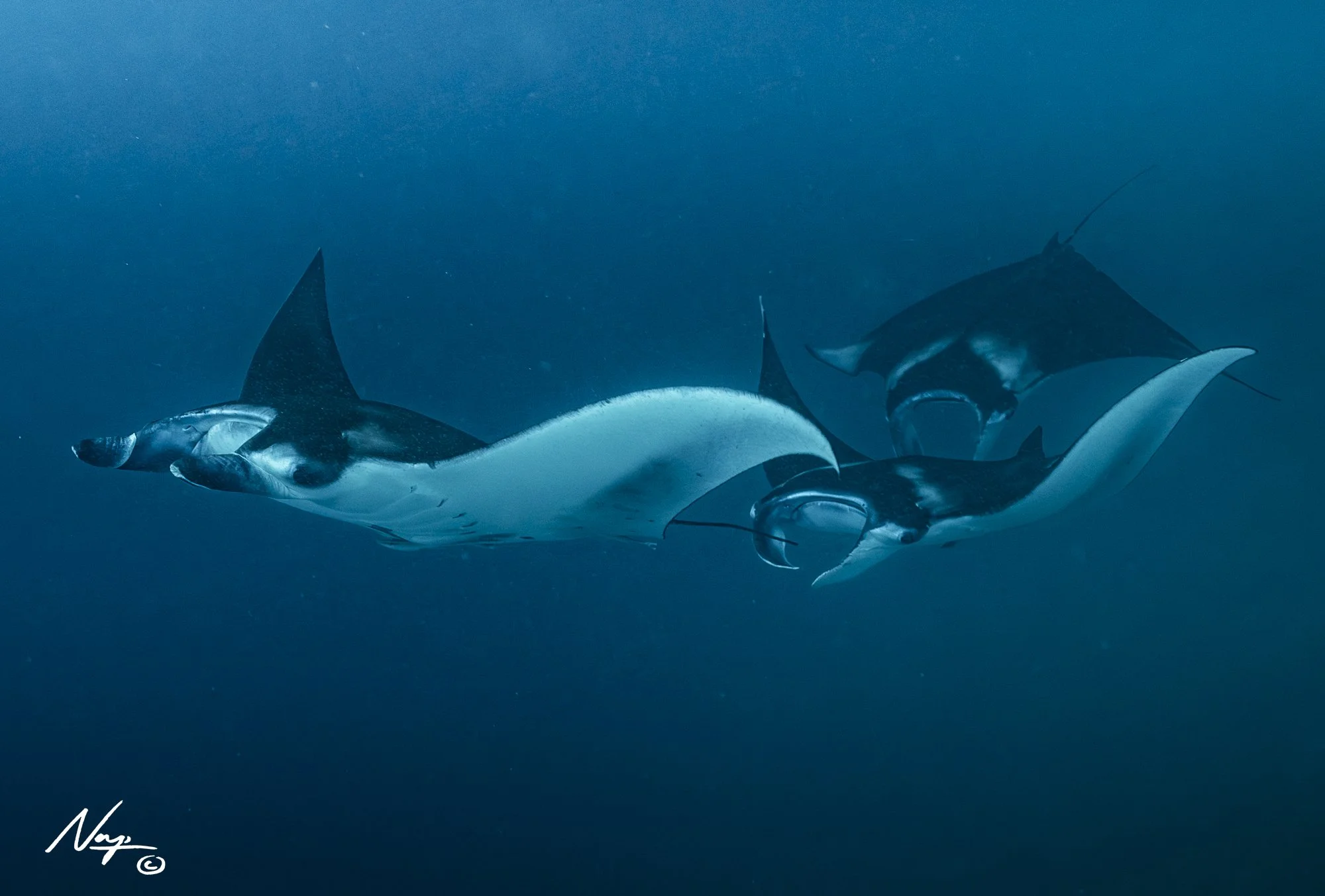
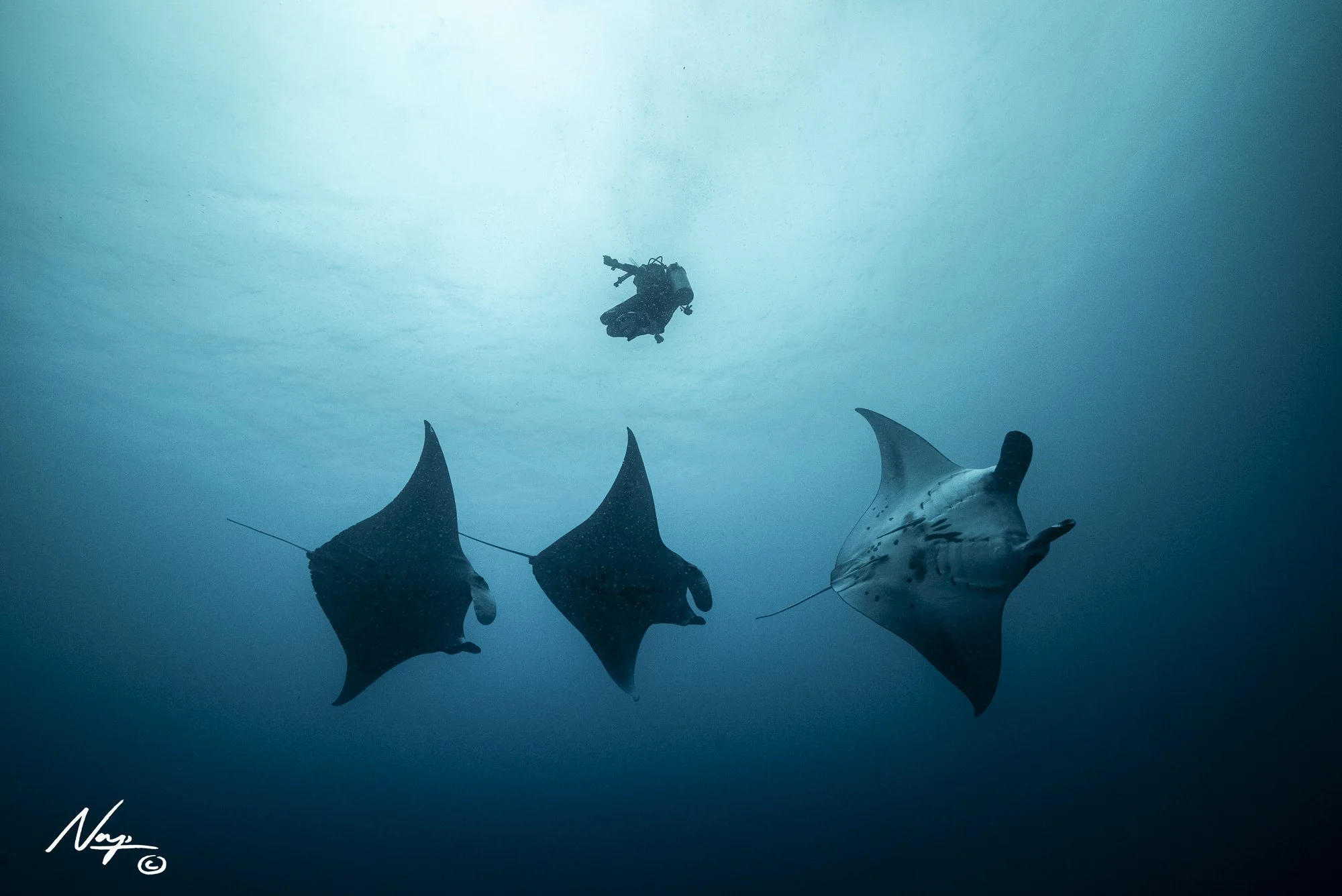
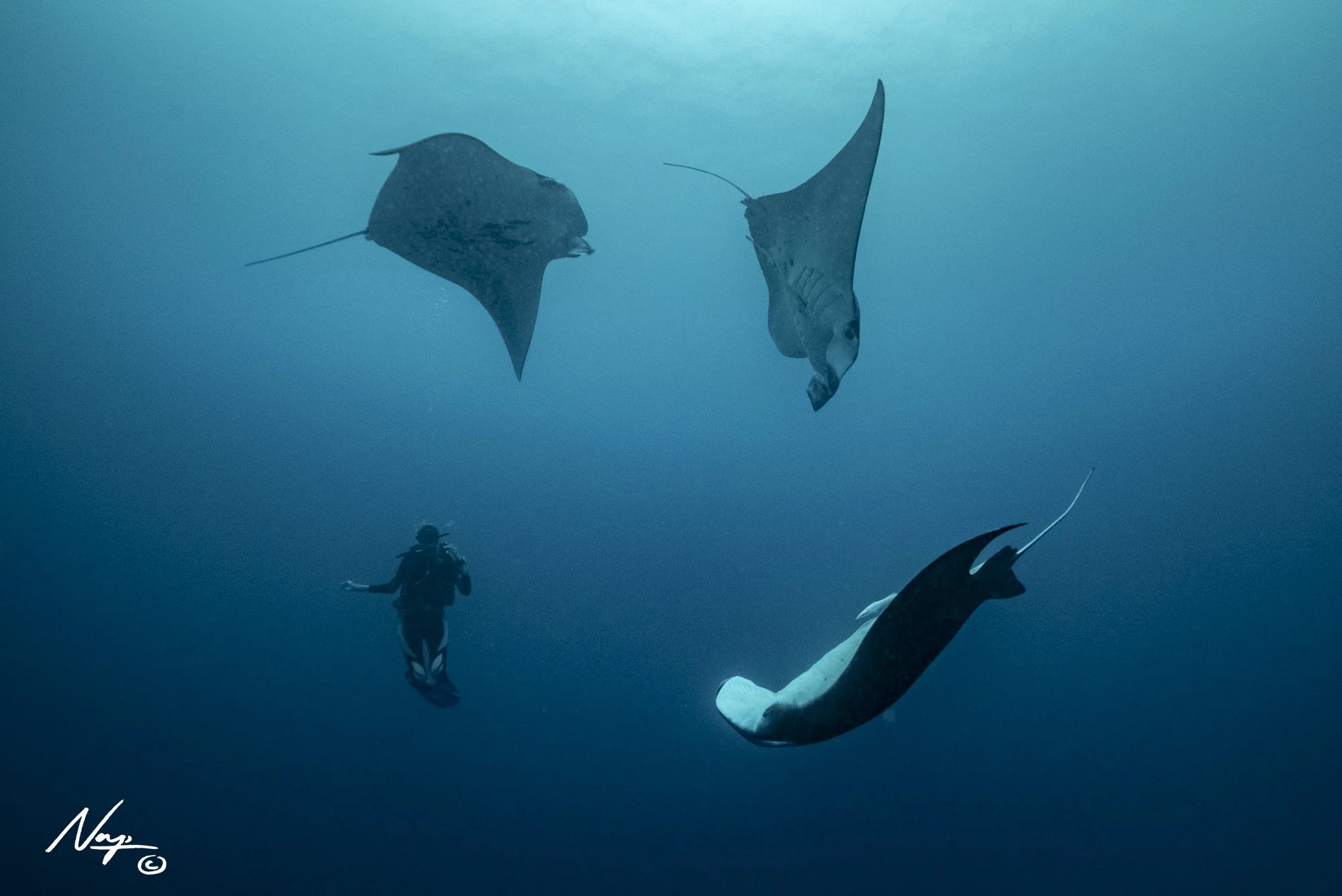
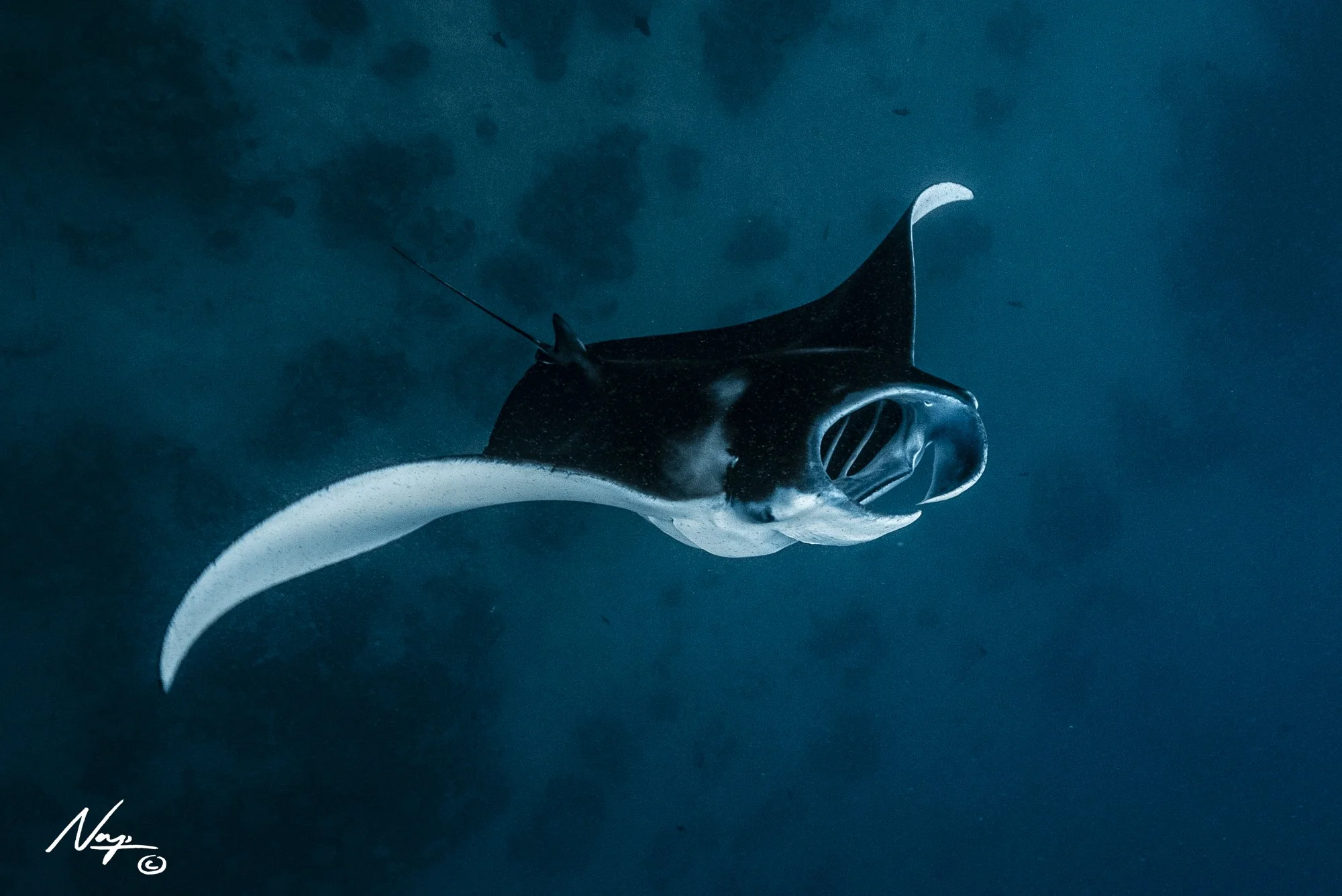
If you’re into big animals, channels are where most of the action is at. The most legendary of these is Blue Corner, but unfortunately, the conditions were too rough to dive with the various pelagic species that can be found there. The definitive runner up is German Channel, which is where giant manta rays can be seen in their dozens as they feed on plankton and fish eggs in the hazy water. Diving with these gentle giants balletically dancing inches away from you is as mesmerising as it gets, and is definitely an experience for those who value marine life interactions.
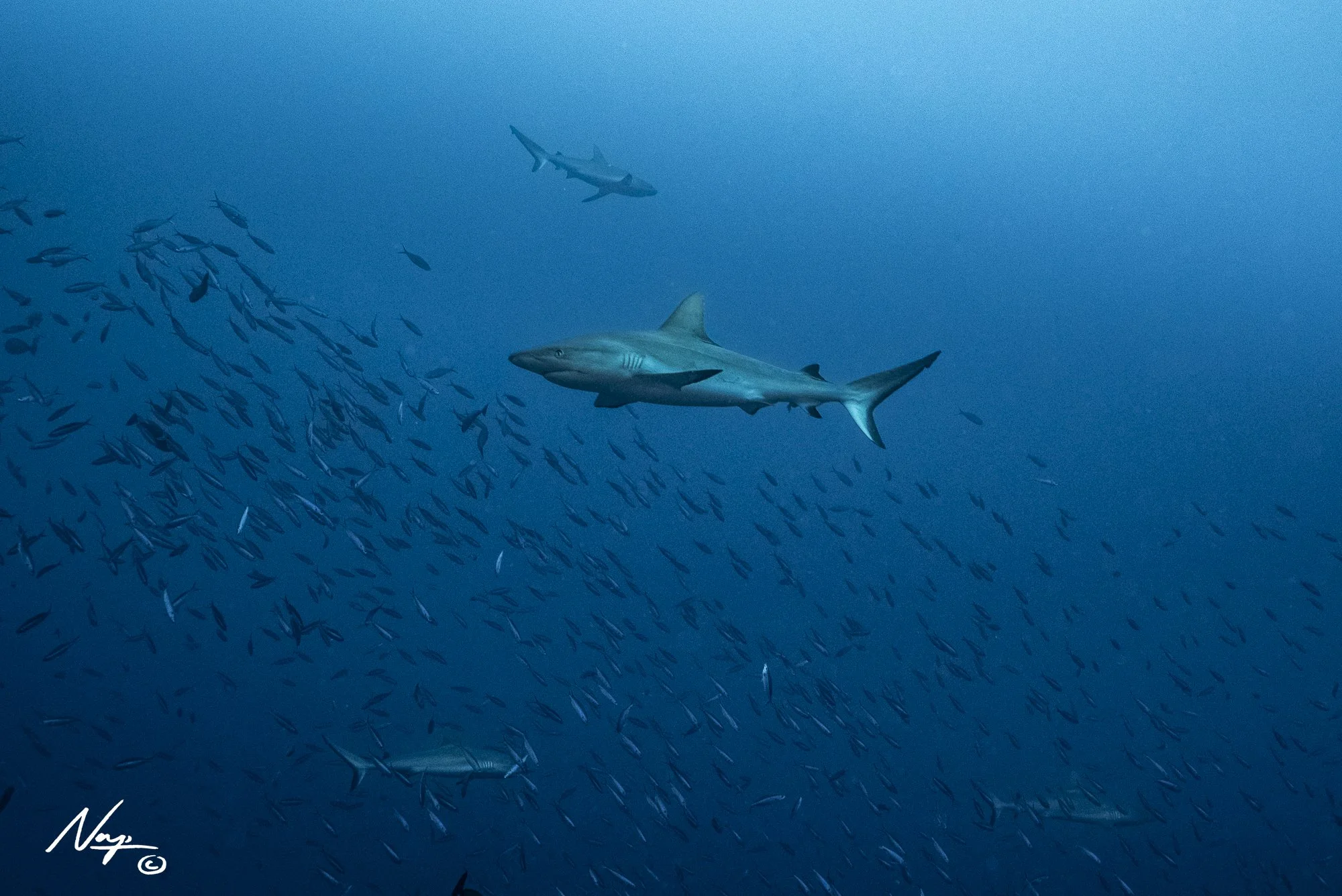
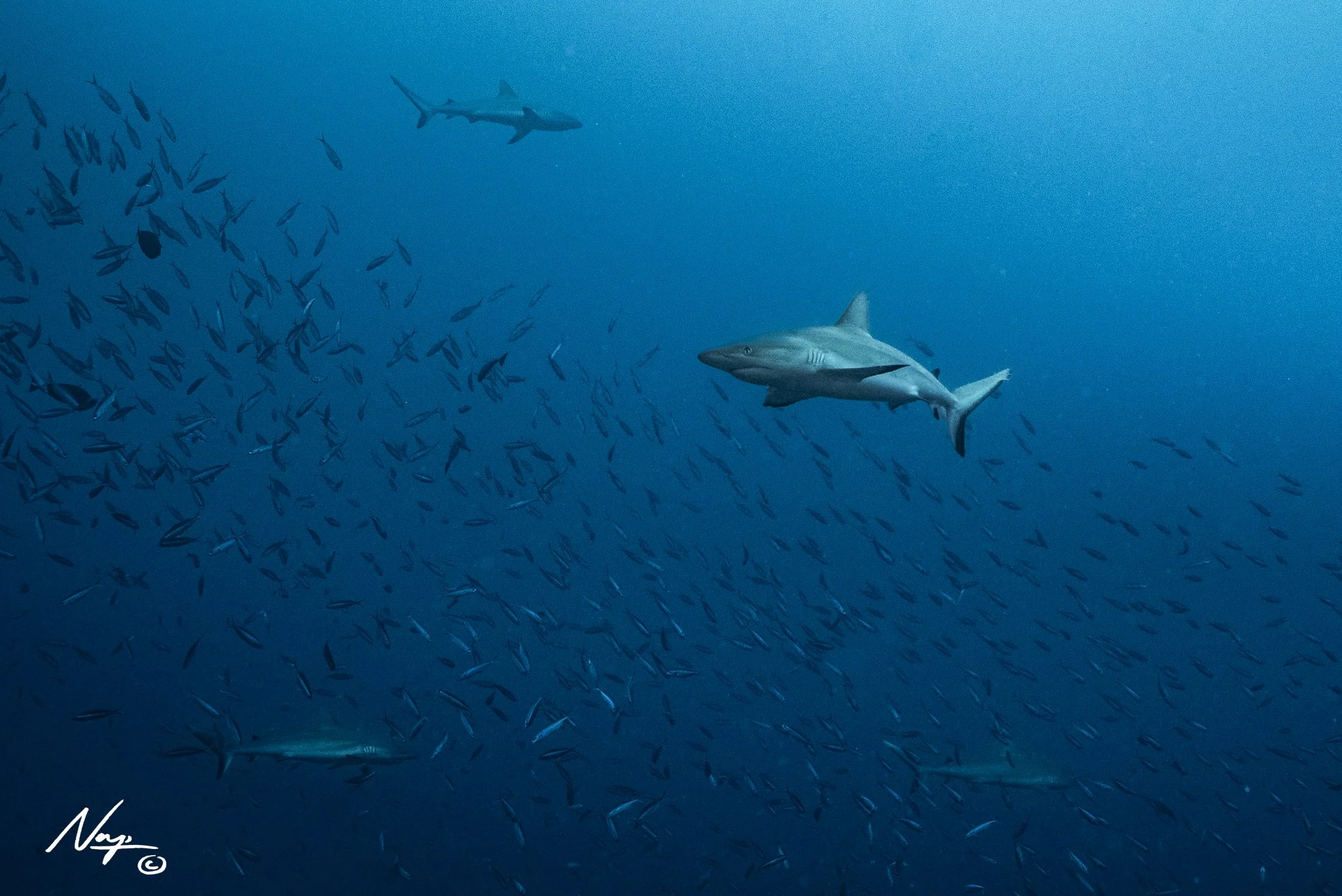
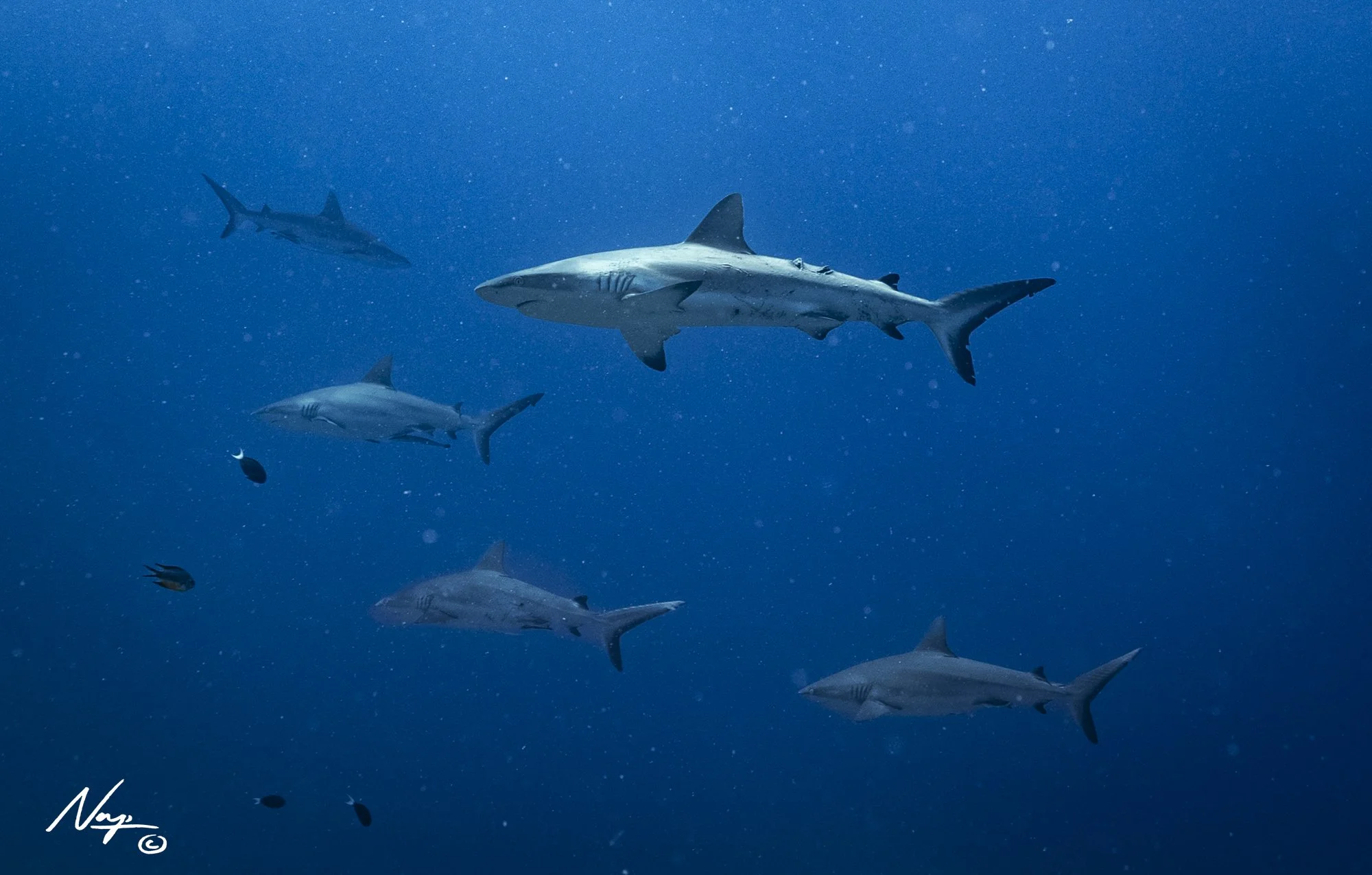
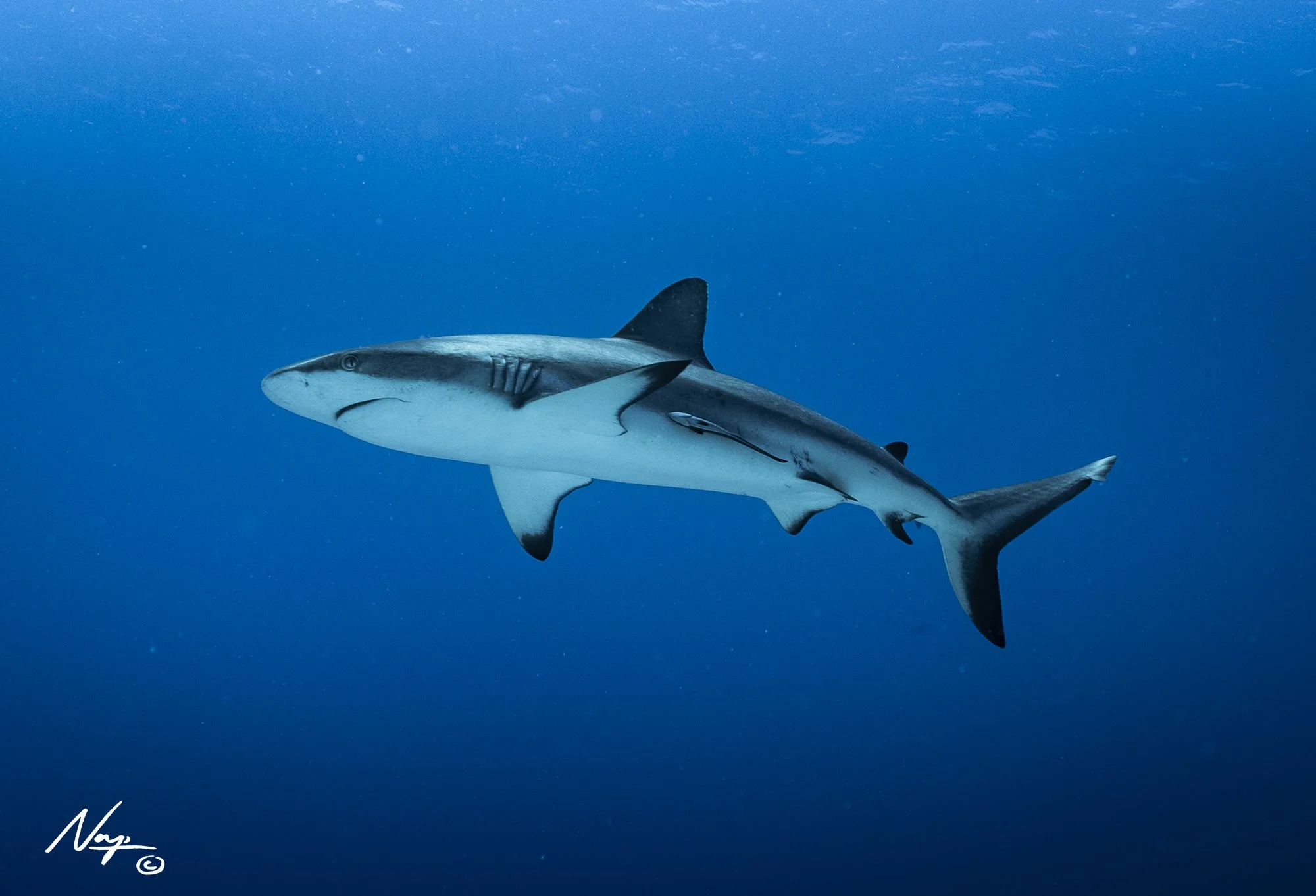
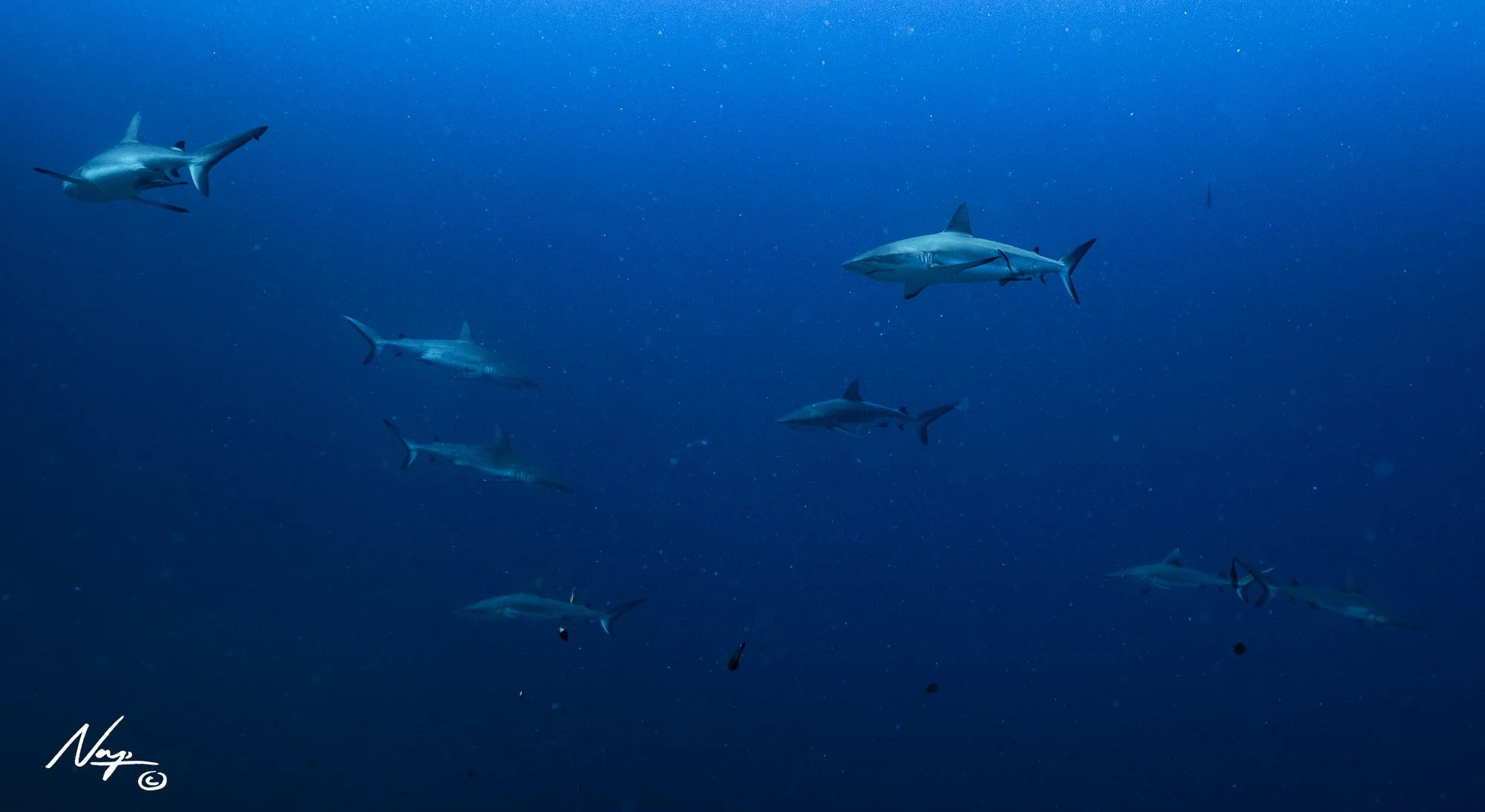
Another channel we visited that I greatly enjoyed was the Ulong Channel, especially due to its abundant population of grey reef sharks. While the amount of sharks you’ll see here is not as immeasurable as Fakarava, it is certainly a worthwhile experience and a great chance to observe these sleek sharks peacefully cruising around in the blue expanse. December also happens to be the mating season for these sharks (among other fish species), which explains why some of them had various marks on their bodies during dives with them.
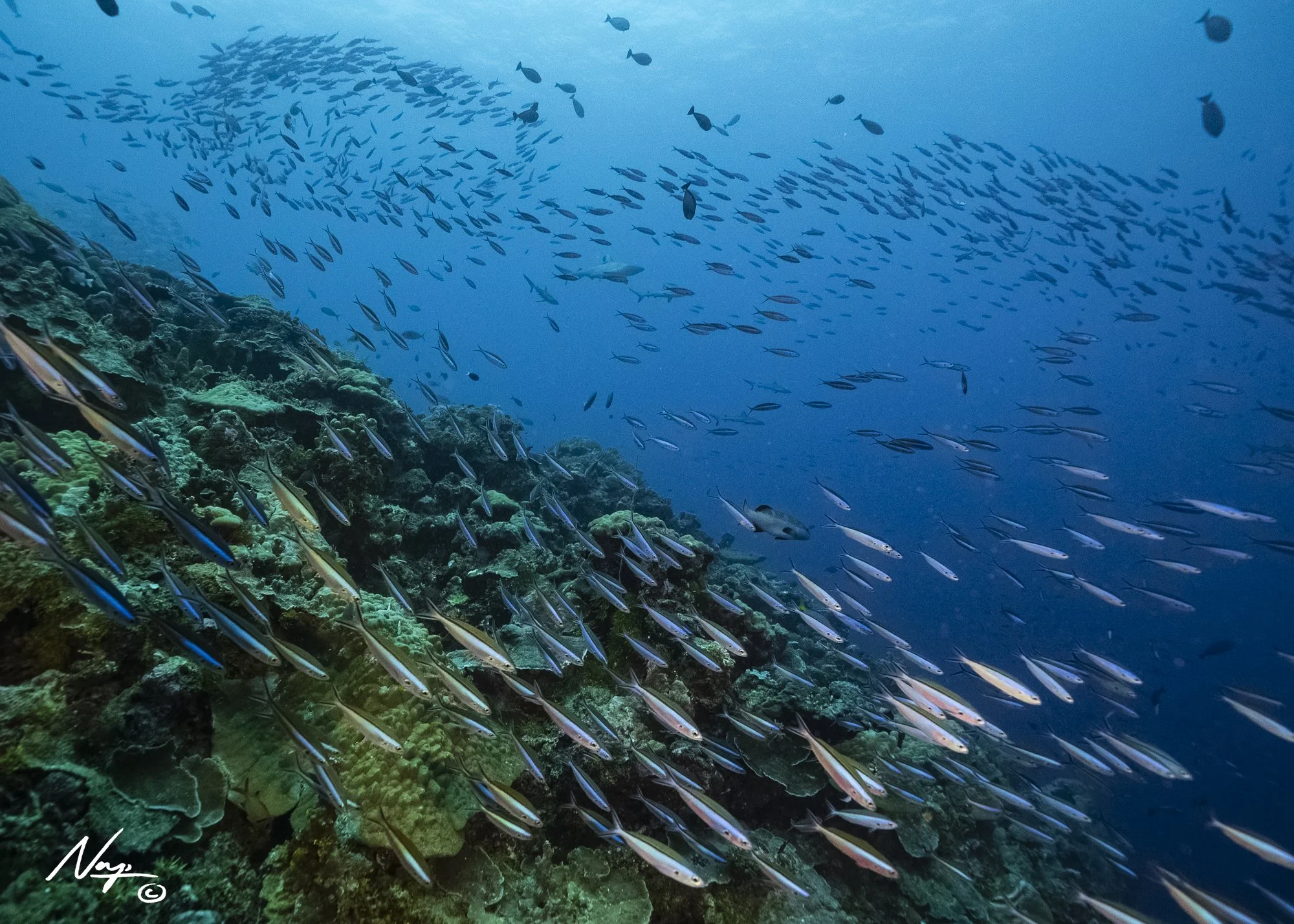
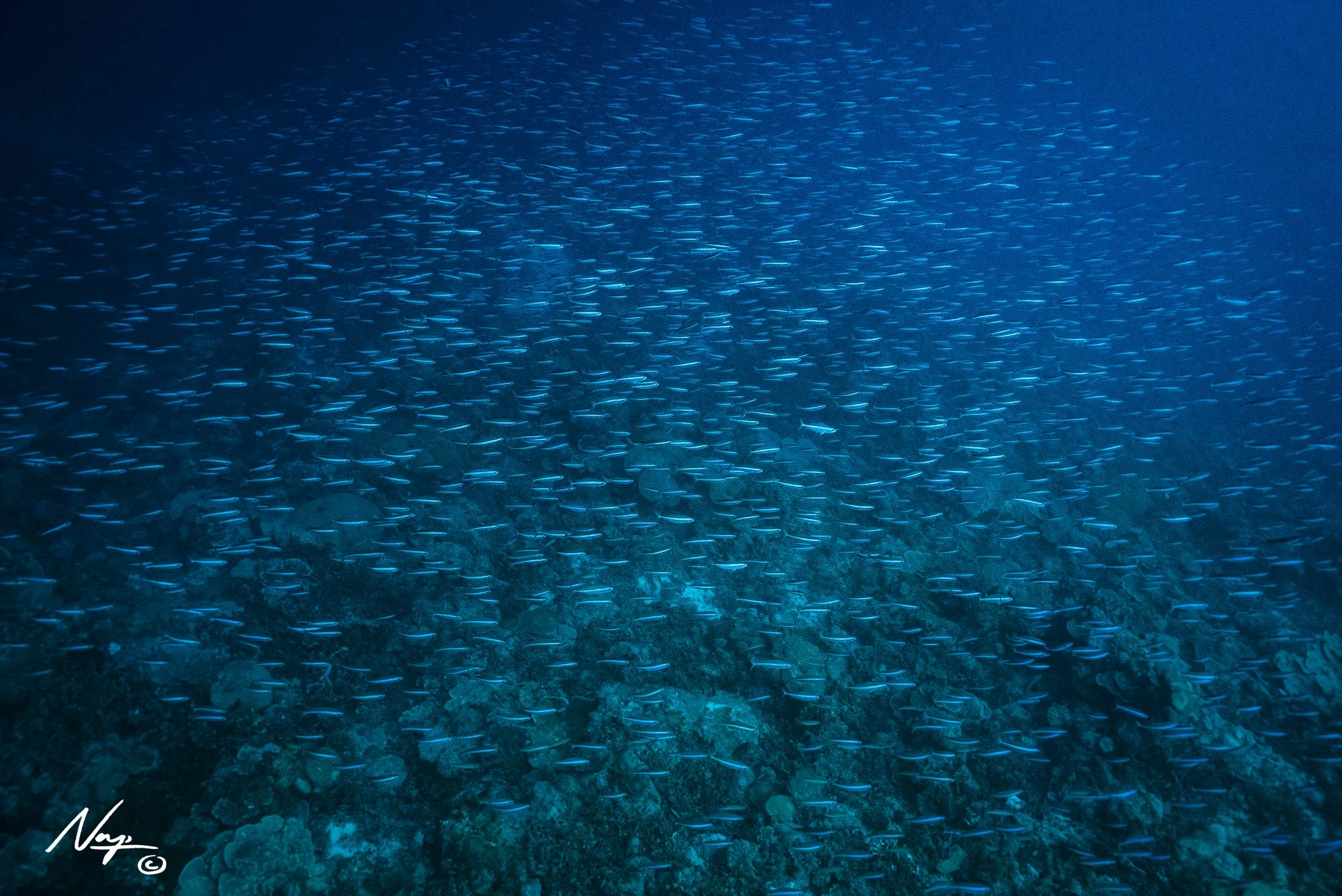
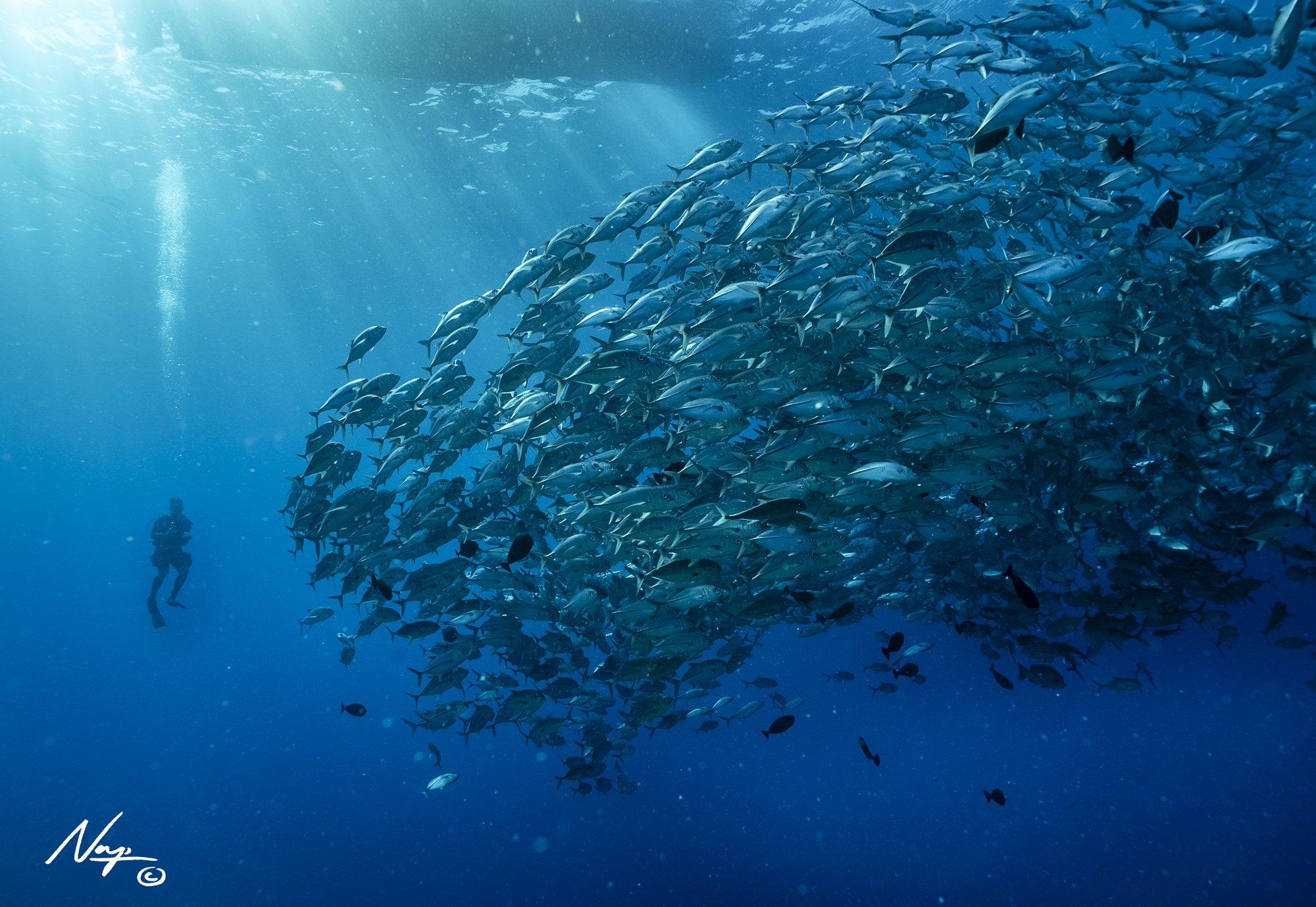
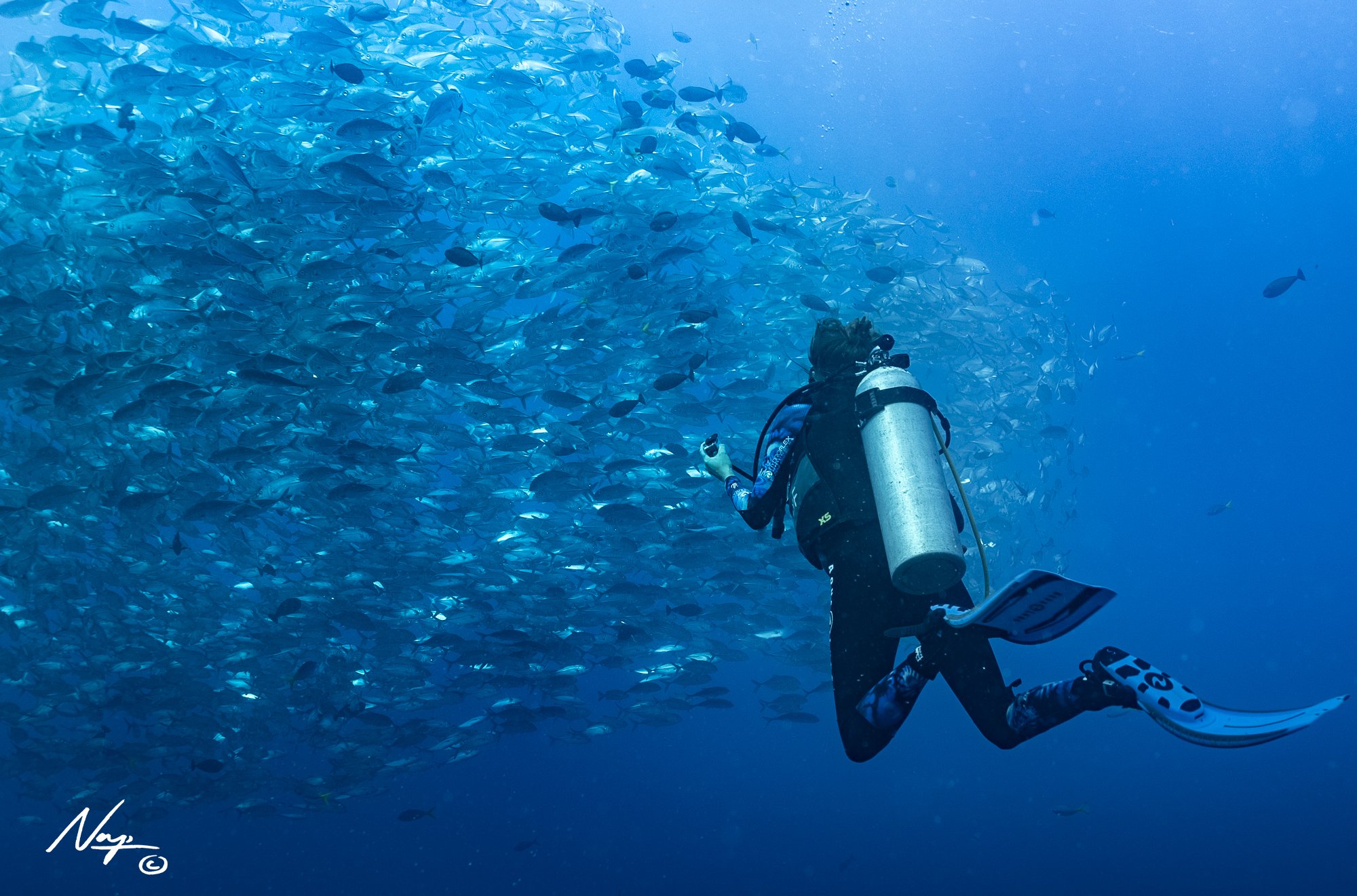
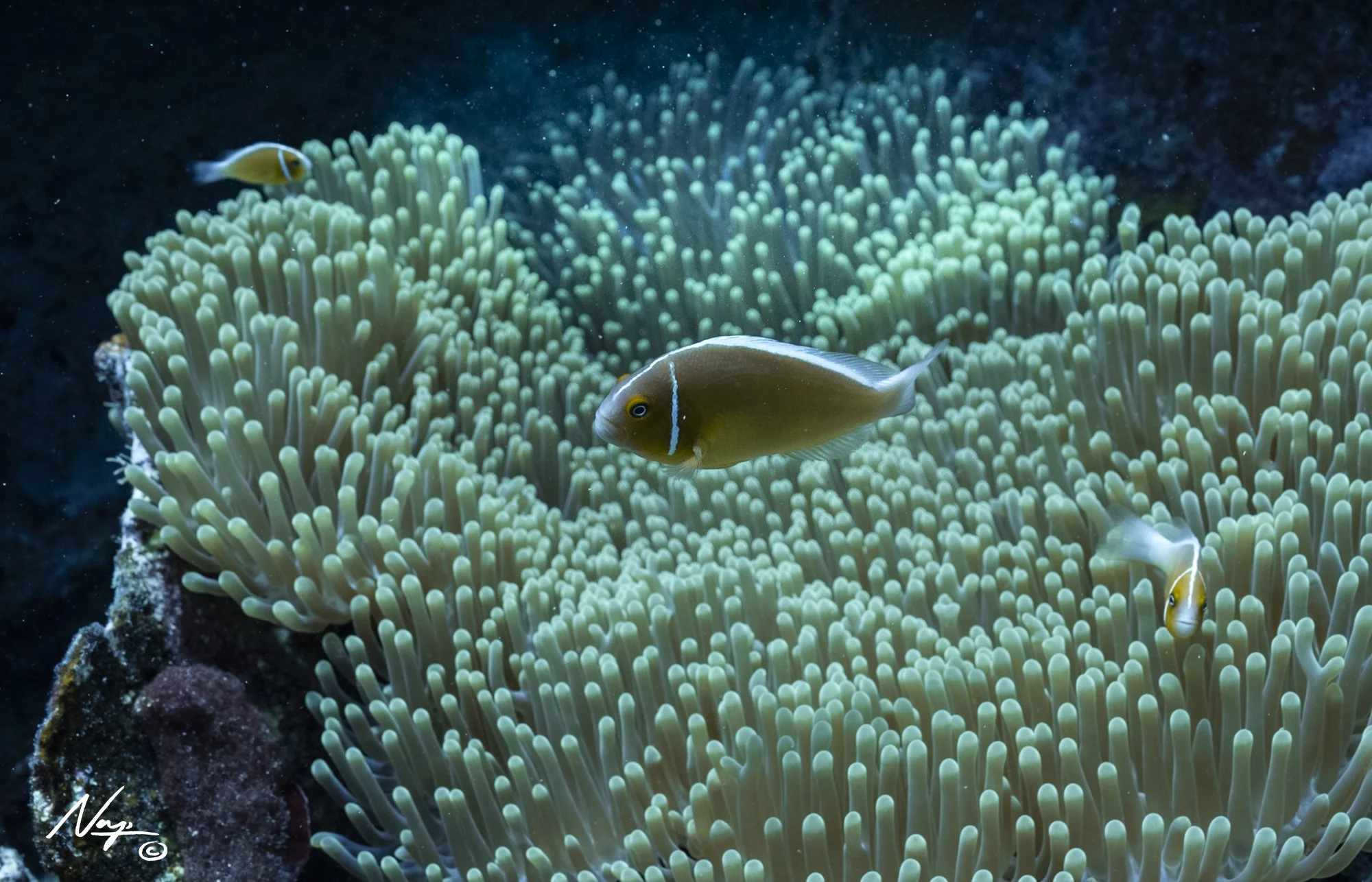
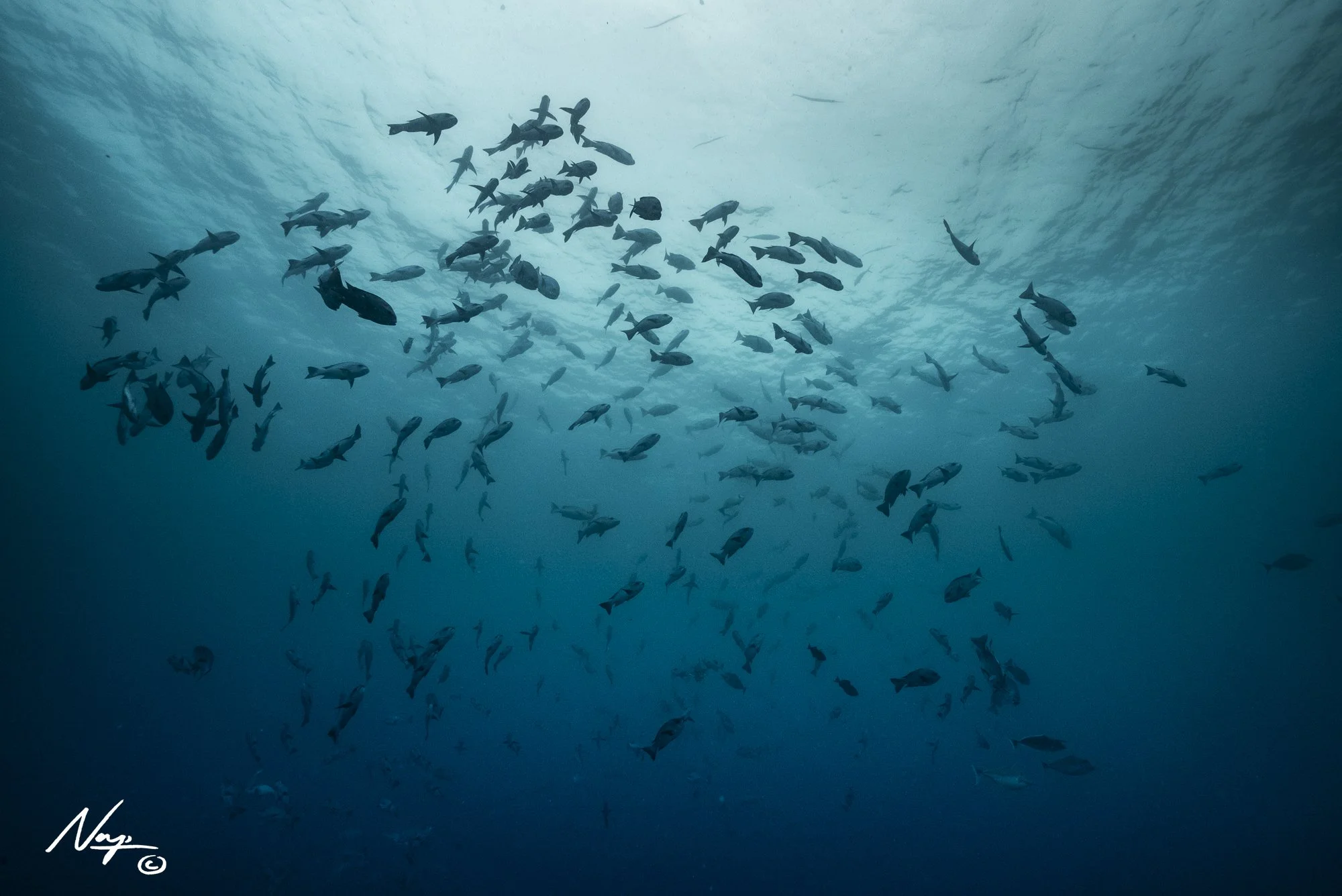
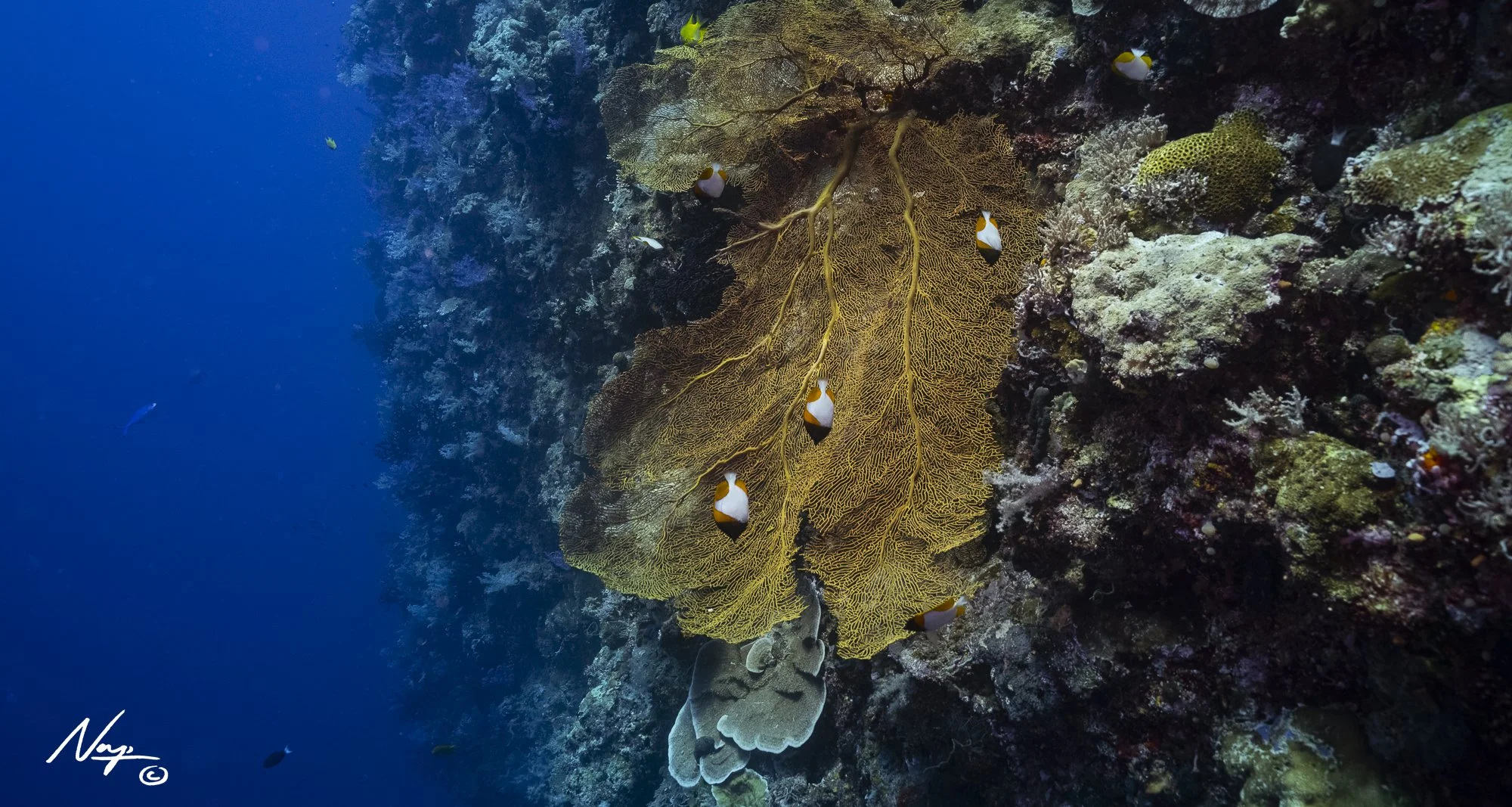
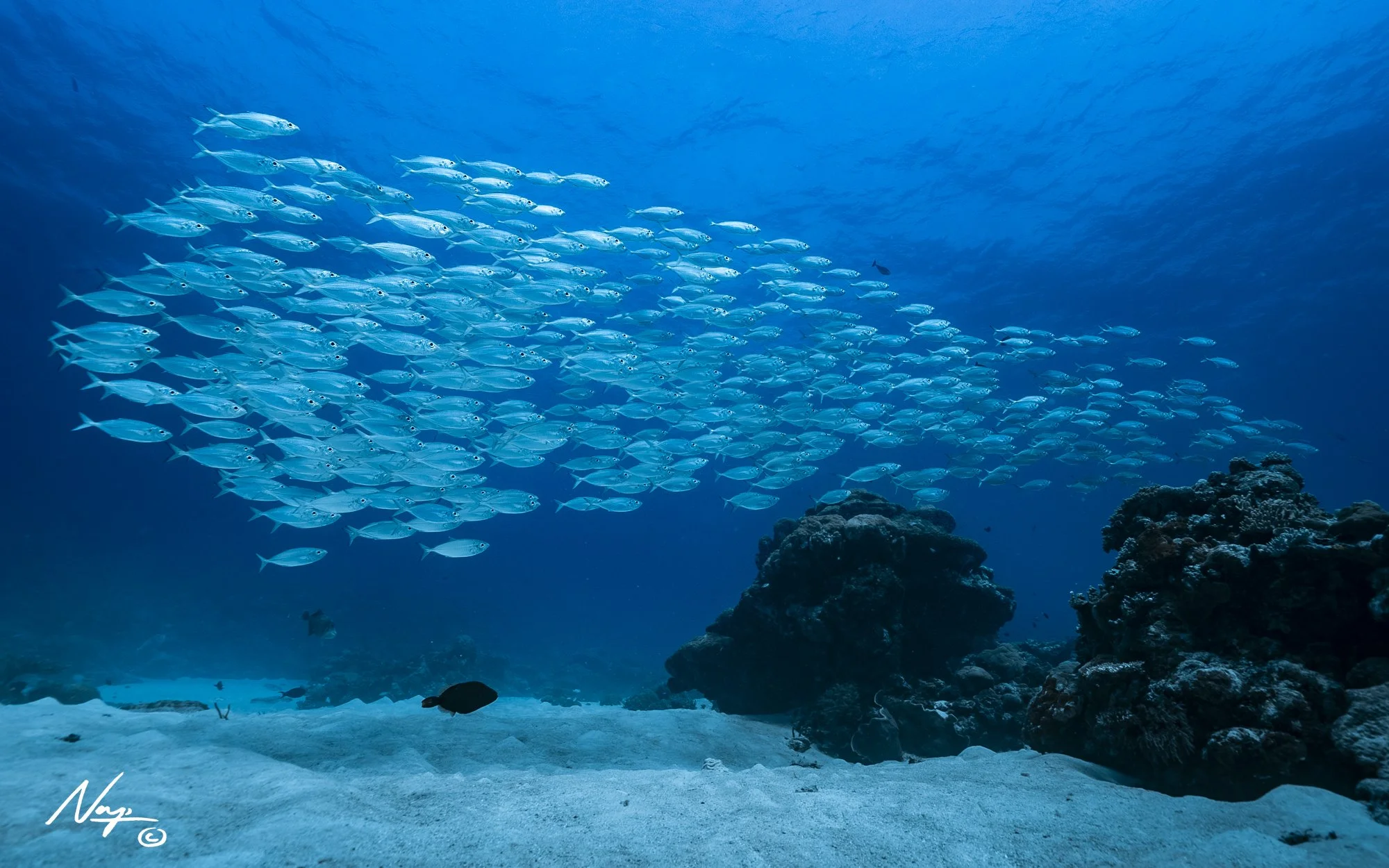
Ulong Channel is also a prime spot for budding ichthyologists due to the sheer biodiversity of fish species among these thriving reefs. In addition to the variety of fishes that can be spotted, they can also be seen in astonishing numbers. One memorable experience during the first time I came here was seeing an enormous school of trevallies right beneath me as soon as I hit the water. I had always dreamed of experiencing this underwater, but never predicted that it would be here of all places. The final cherry on top was seeing schools of snappers and barracudas sandwiched between the trevallies. Witnessing such abundance due to the strict marine conservation laws is a refreshing sight compared to places with weaker fishing regulations.
#2 - Wrecks
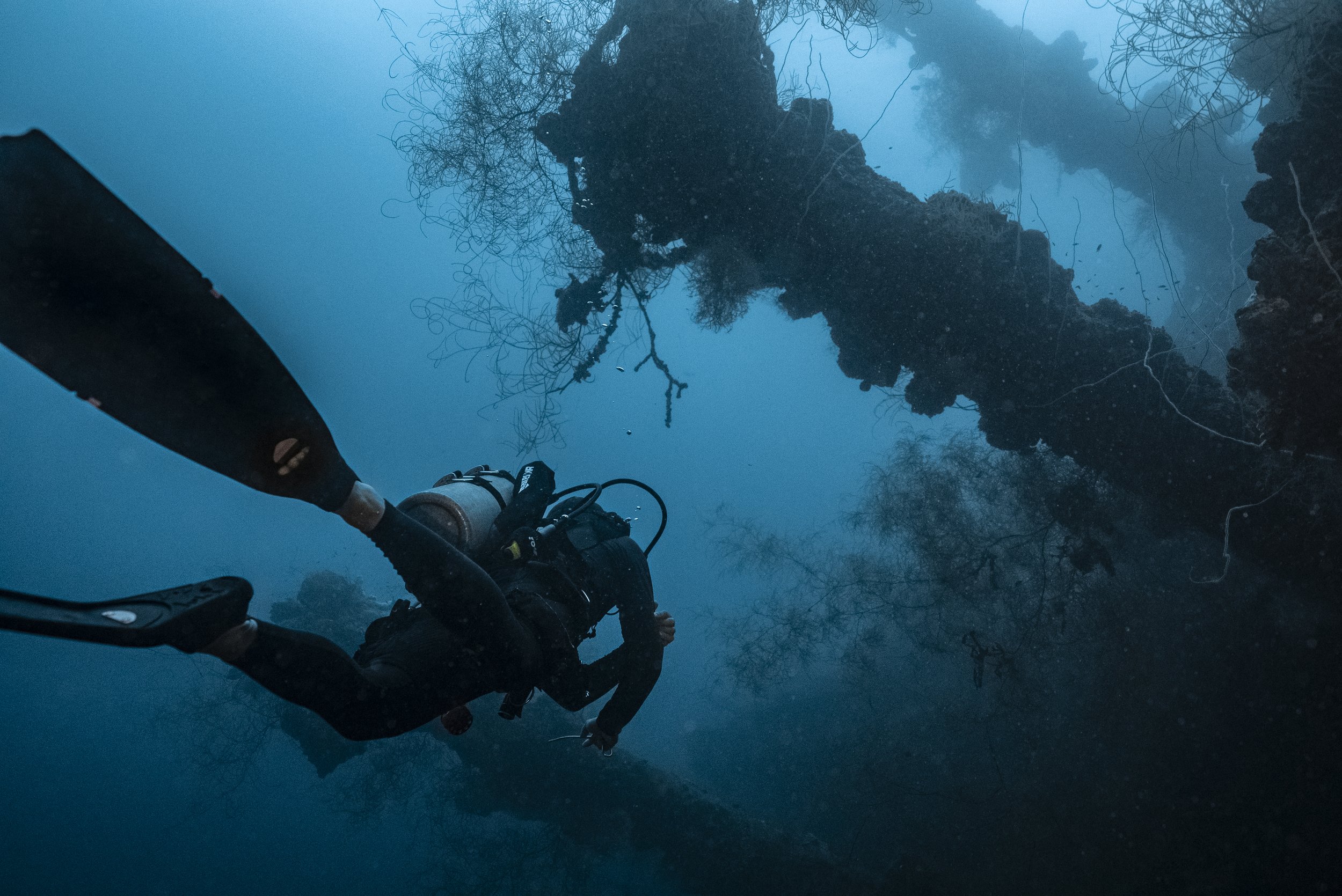
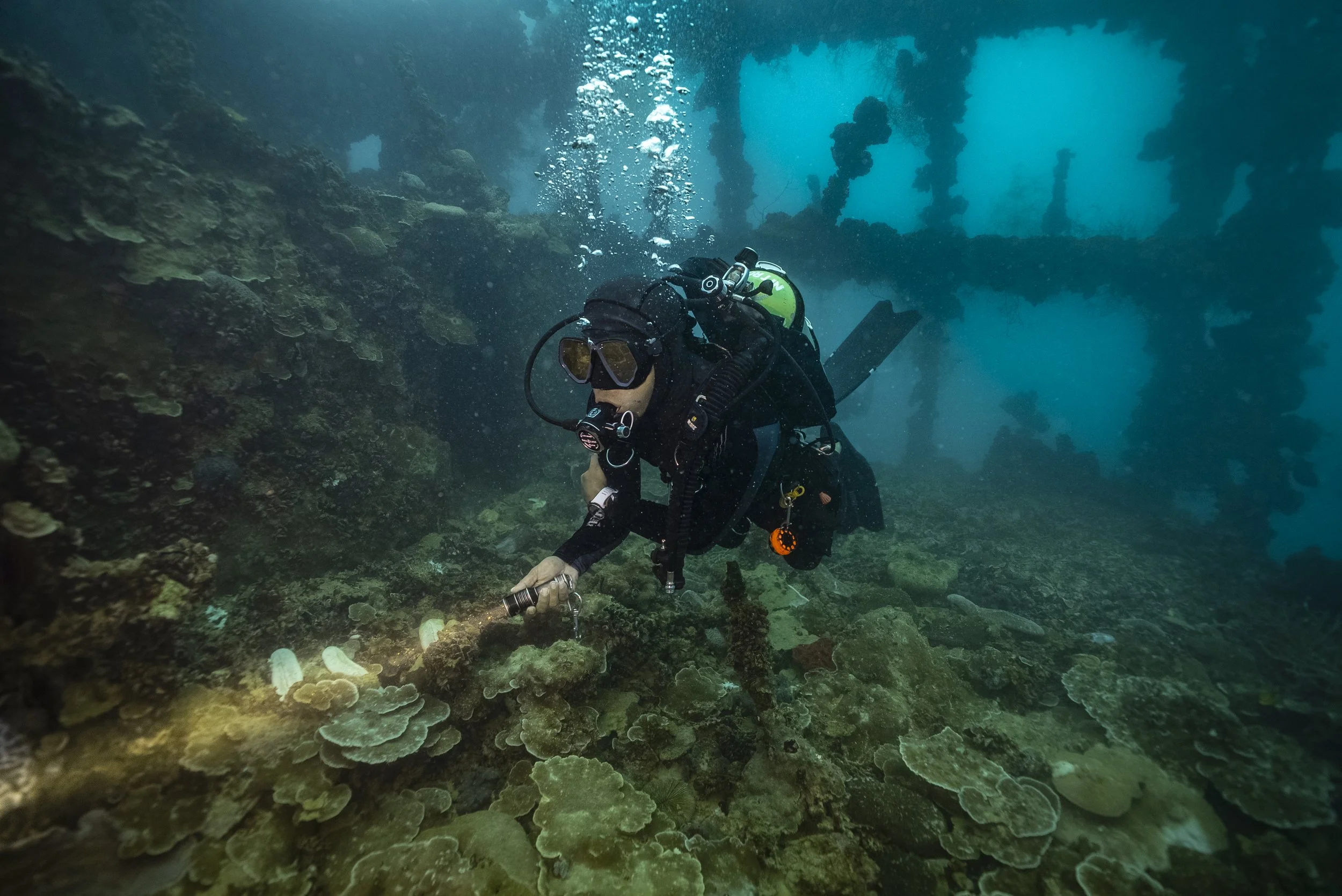
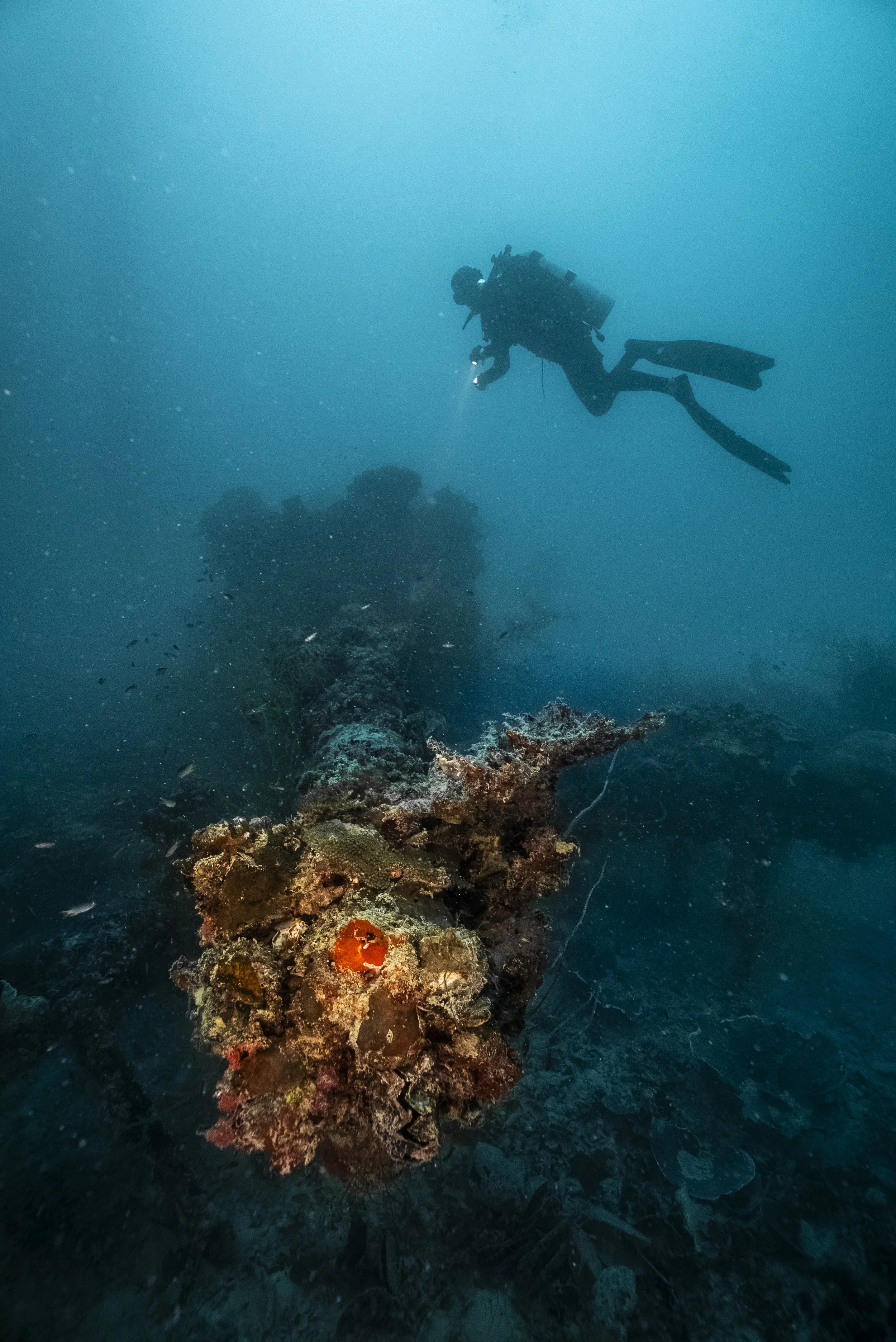
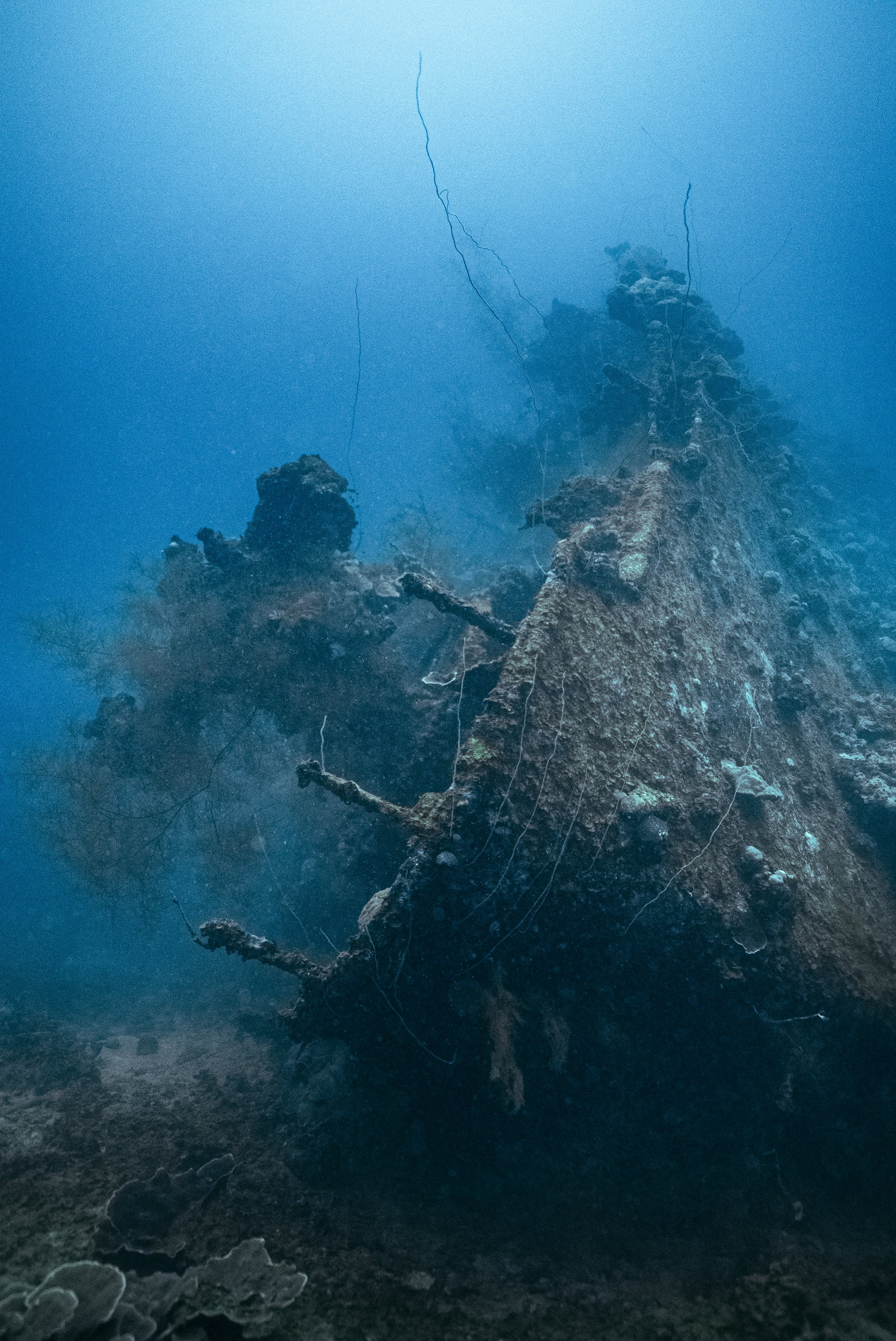
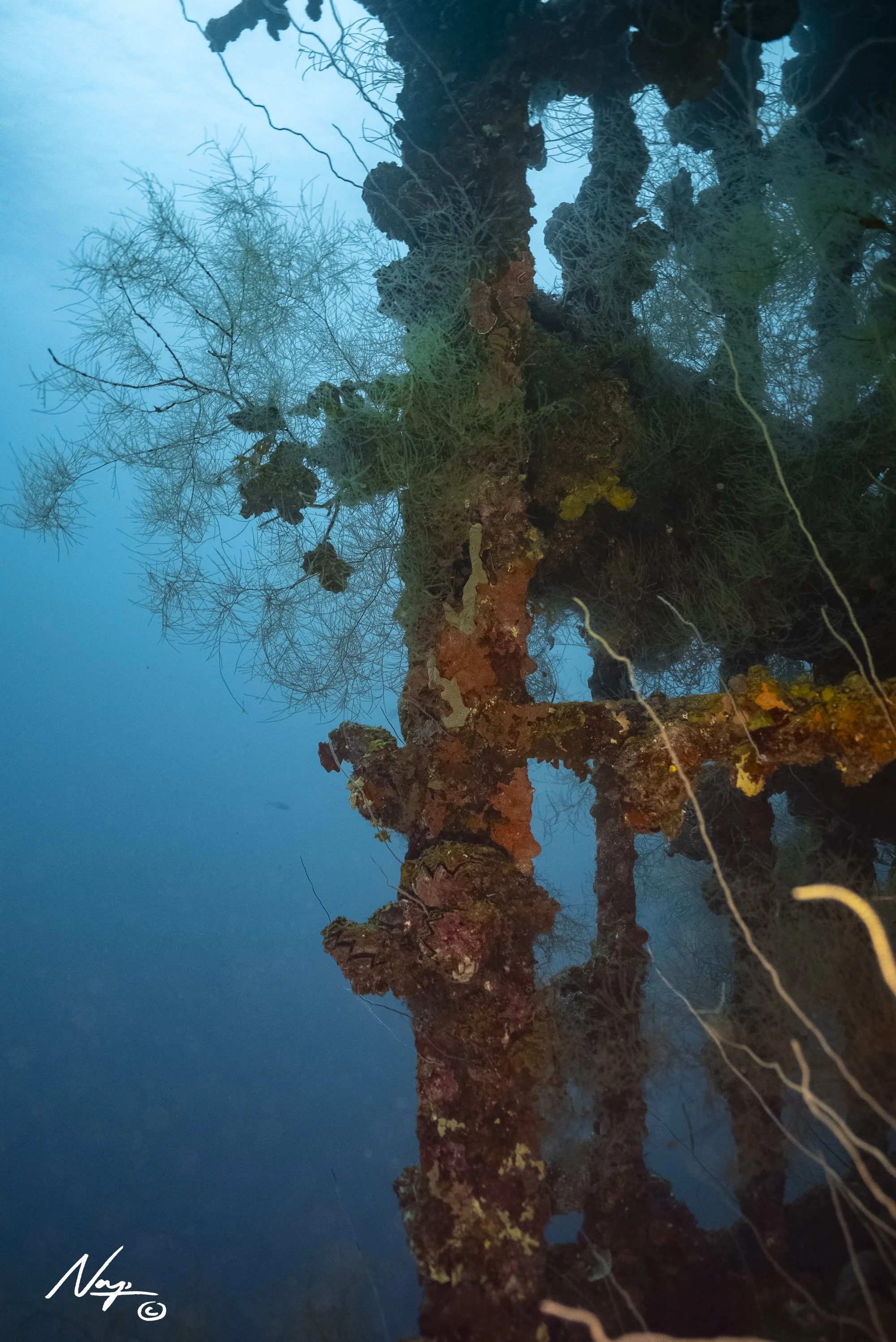
In my opinion, Palau is quite underrated as a wreck diving destination, and infinitely more convenient than getting to Truk Lagoon or Bikini Atoll. While I’m not the kind of tech diver who exclusively does wreck diving, that doesn’t diminish the unbridled joy I get from doing it when the conditions are just right, and diving the wrecks of the Iro and Tesho Maru was no exception. Both of these are Japanese ships that were bombarded by Allied forces during World War II, and now rest within 30m of water, relatively close to Koror. Although the visibility can be limited on some days, the 29°C water and lack of currents & surge make it far more relaxing to dive than the colder, rougher seas that I’m used to in Australia. Swimming through these wrecks is a very satiating experience that feels like you’re flying through a time capsule of history. Next time, I’d love to switch a single tank for my rebreather and take my time getting some Pete Mesley-style shots.
#3 - Caverns
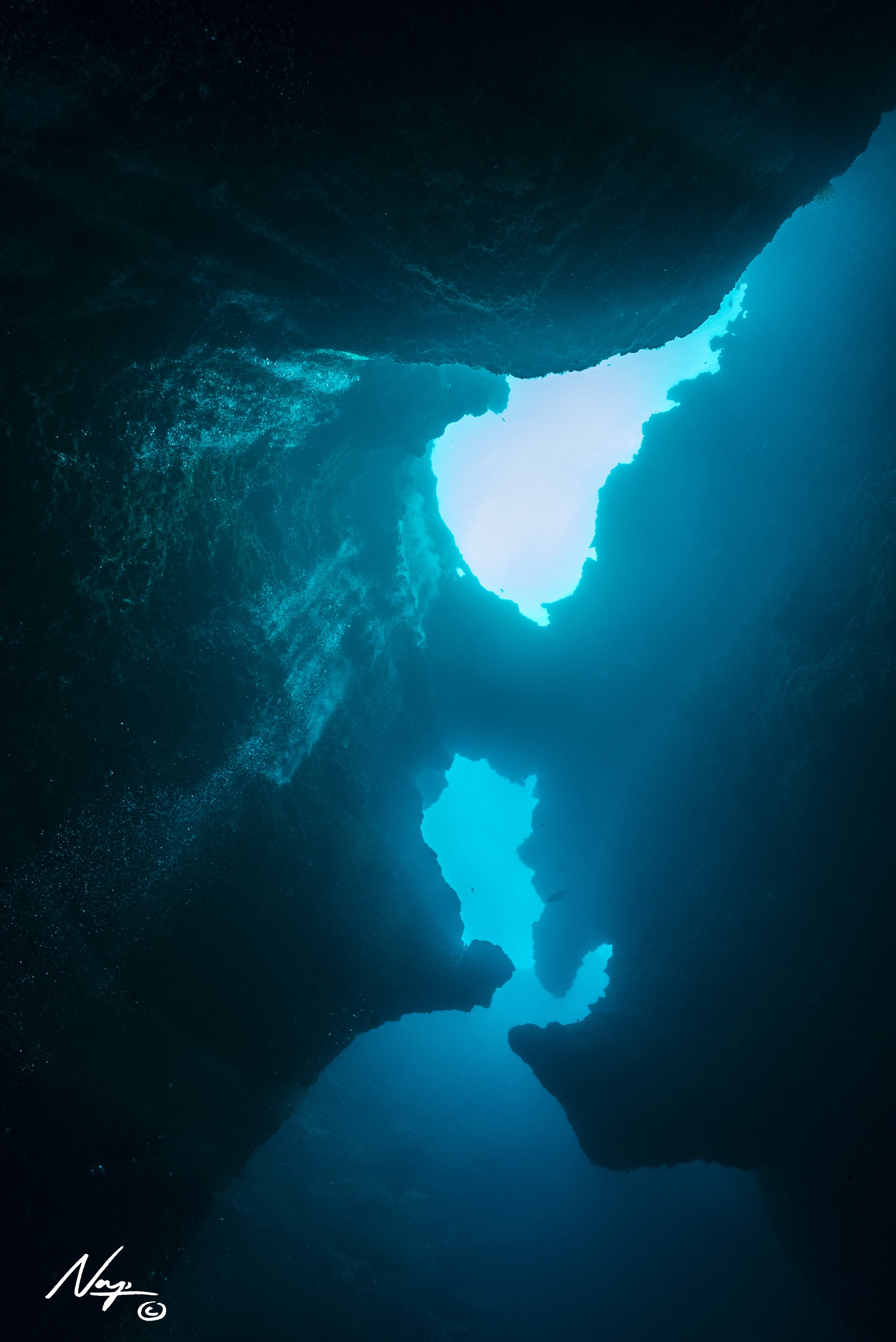
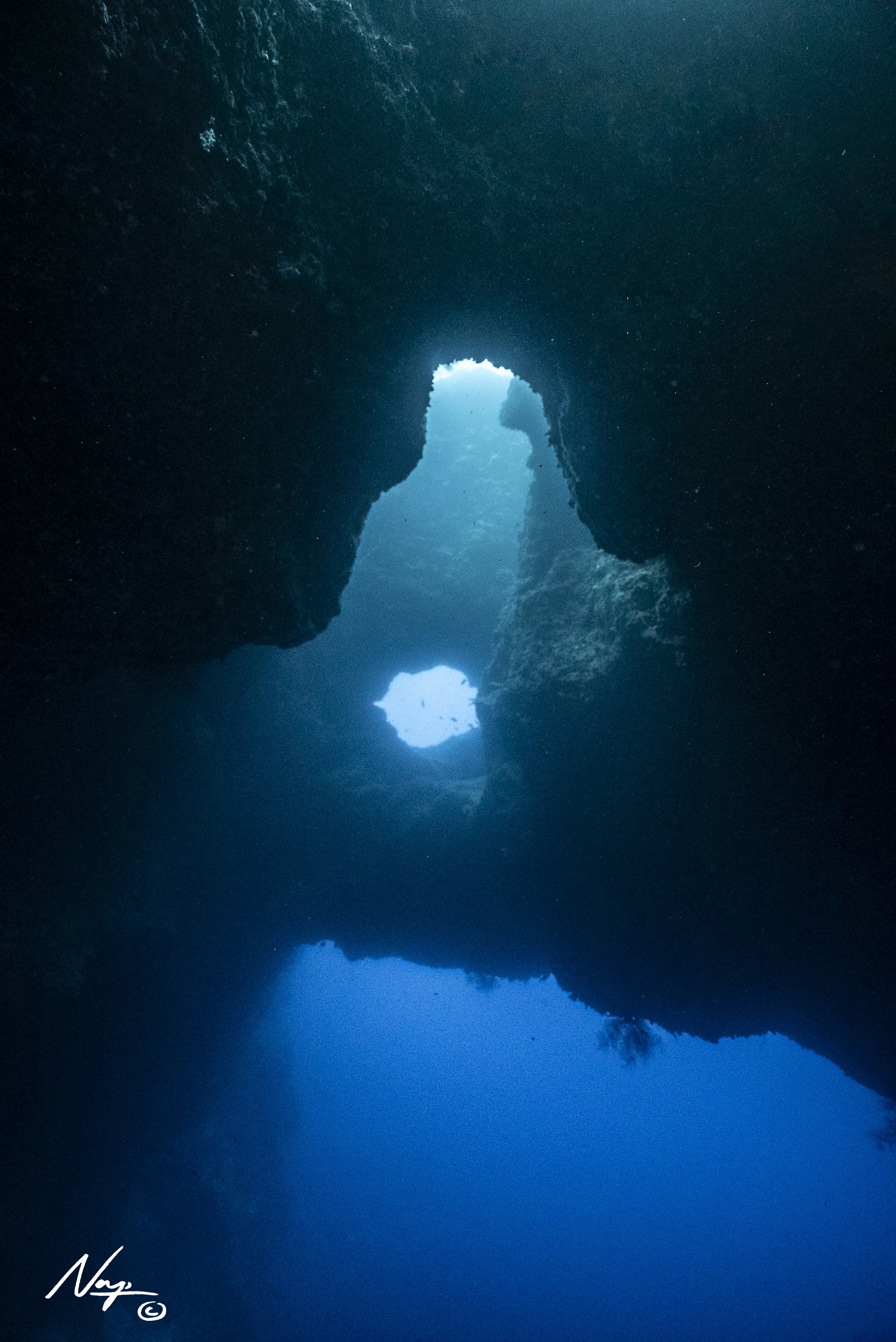
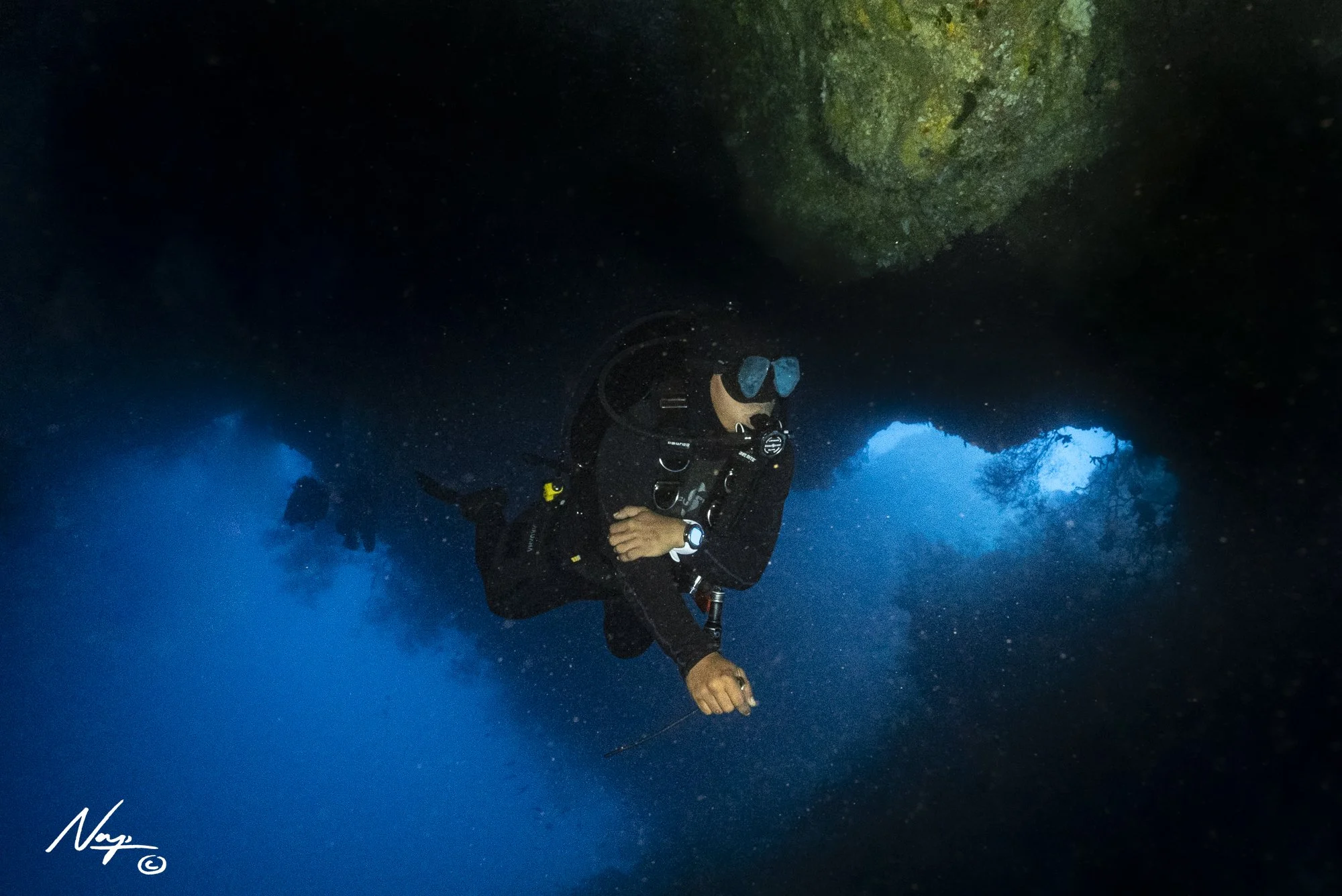
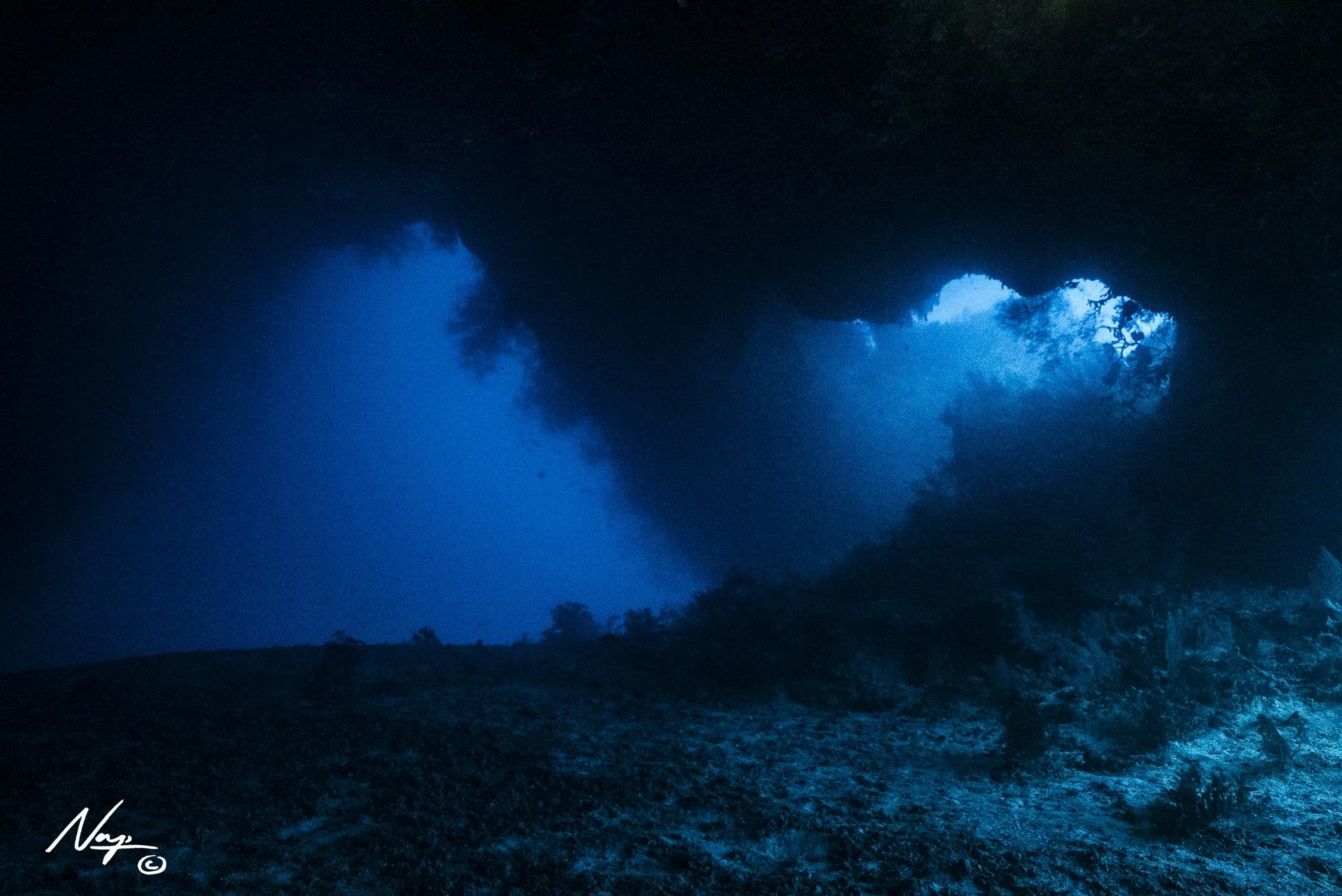
Another hidden jewel in Palau is its array of cavern sites, with the most iconic one being the Blue Holes. Imagine sinking alongside a drop-off, and finding a massive cavern entrance at 25m deep that is punctuated by beams of lights emanating down from small holes in the ceiling. Although the weather was too cloudy to get the classic sunlight shards the day we went, it was nonetheless a fantastic spectacle of geology mixed with chiaroscuro lighting that was reminiscent of the El Pit cenote in Mexico.
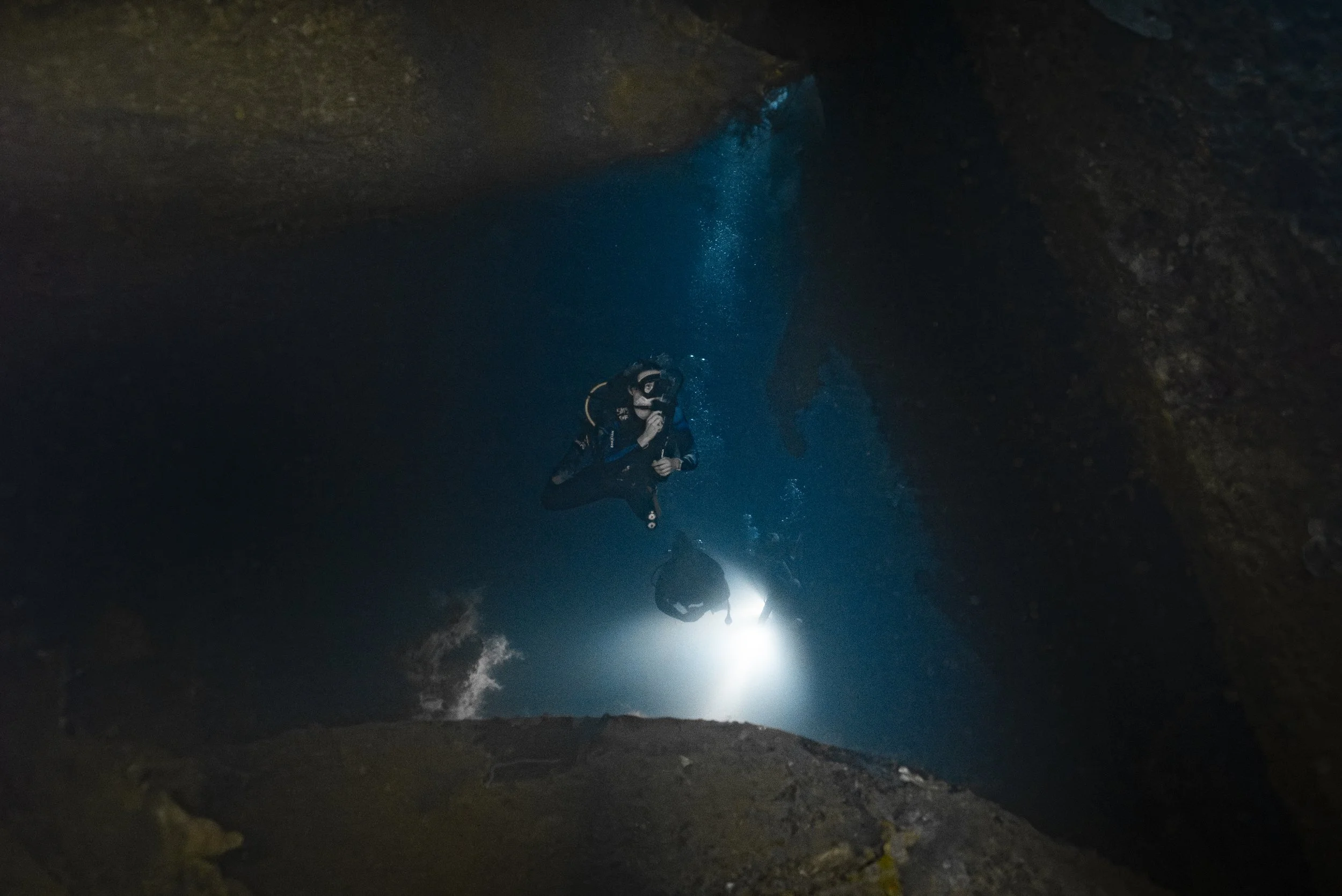
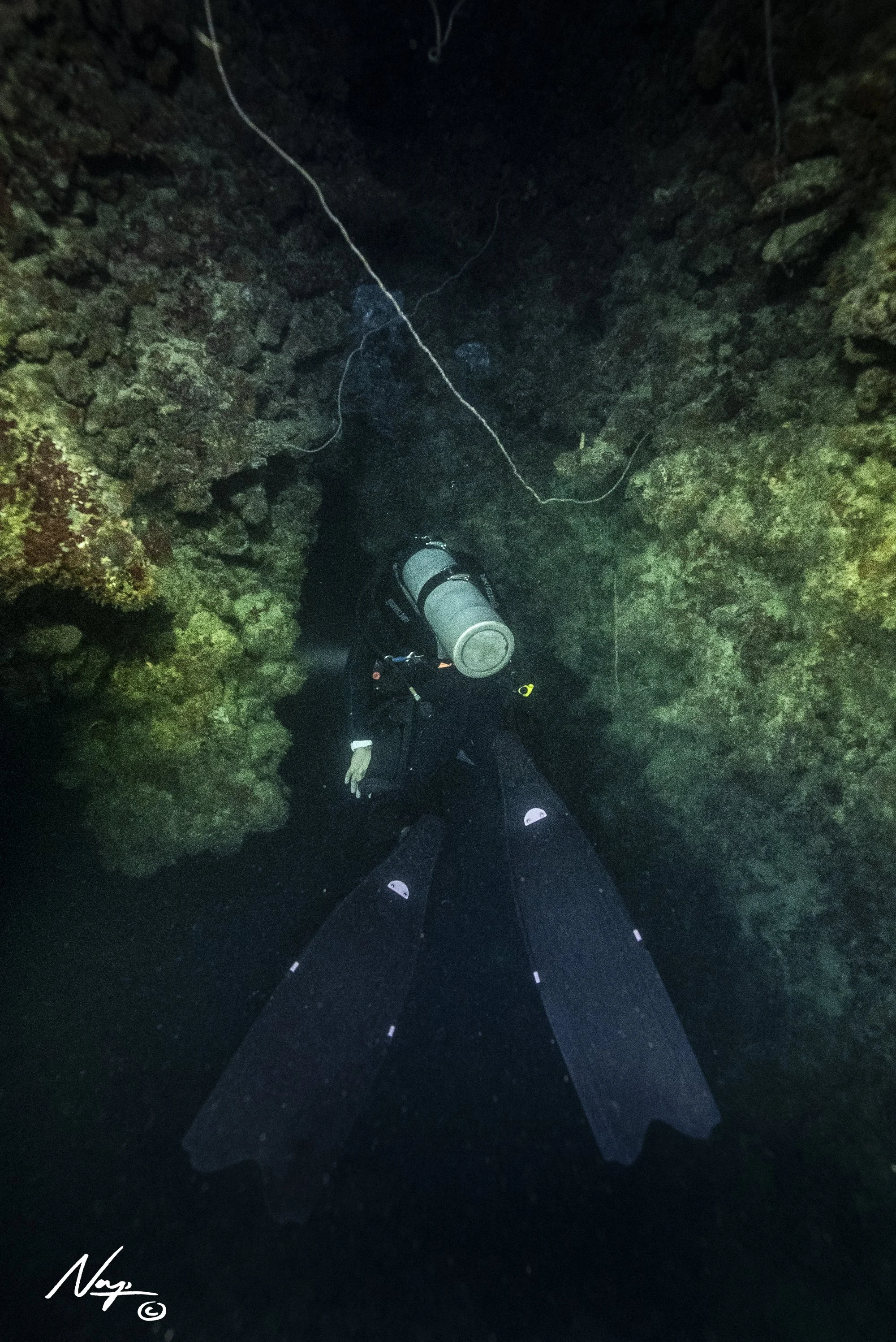
Siaes Tunnel is similar to the Blue Holes in the sense the entrance is a big cavern deep alongside the drop-off, but the major difference is that this cavern actually turns into a 60m long tunnel that comes out on the other side. If you did a helicopter turn to view both the entrance and the exit, you would see sheer cobalt blue and a gigantic chamber shrouded in darkness. This site is very reminiscent of Dahab’s infamous Arch, but the fact it is shallower, easier to visit and unmarred by tragedy makes it a more appealing option for ANZ-based divers like me.
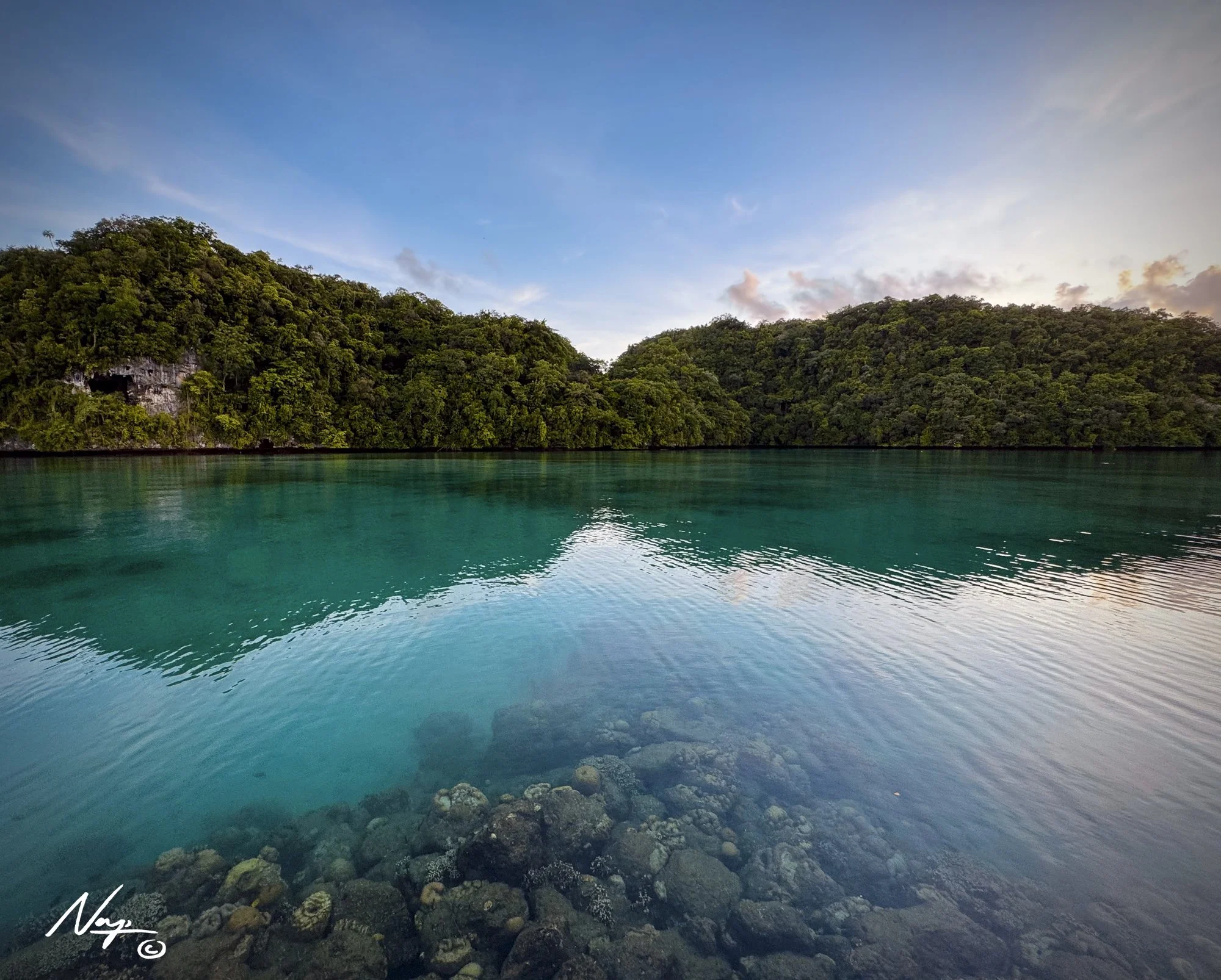
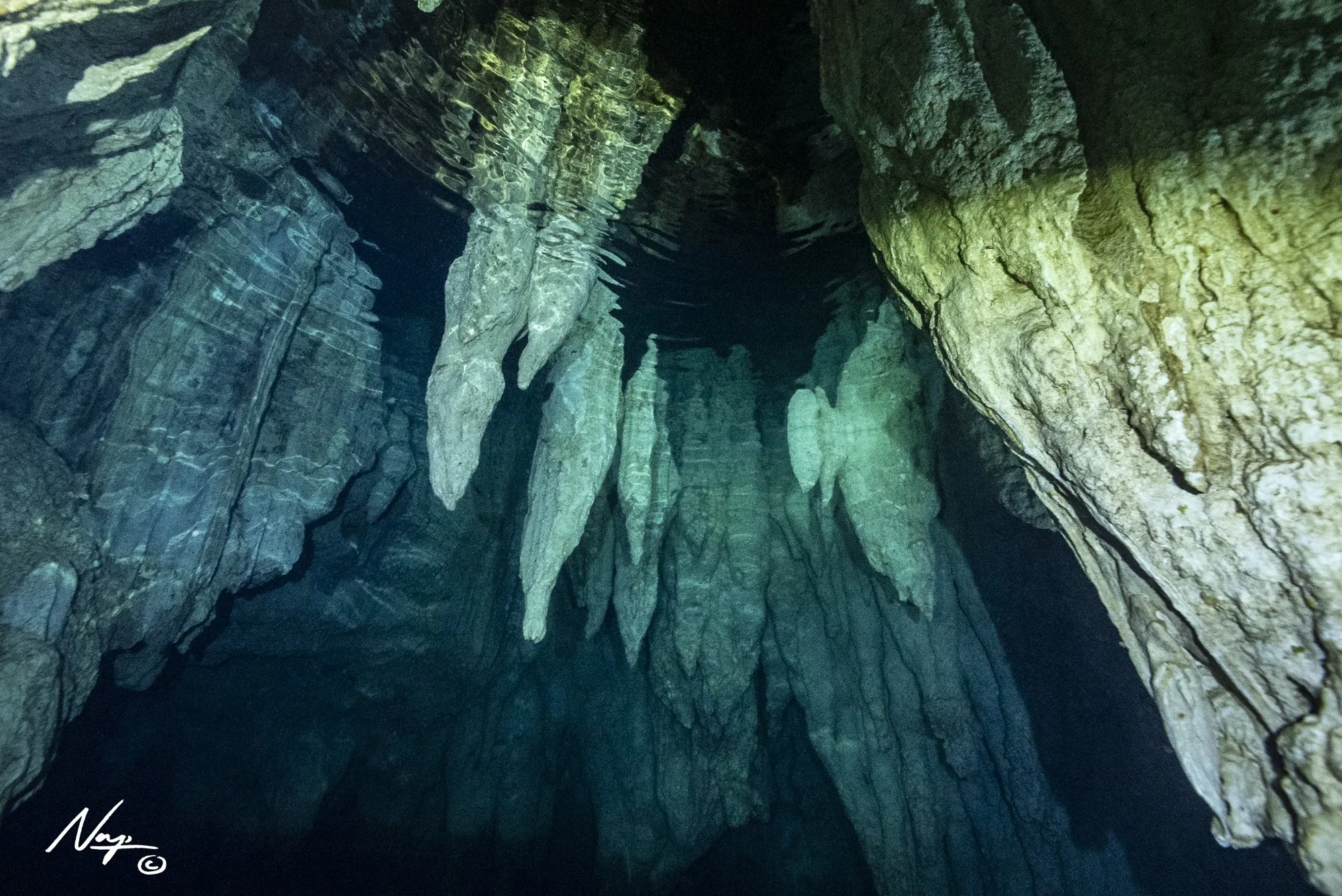
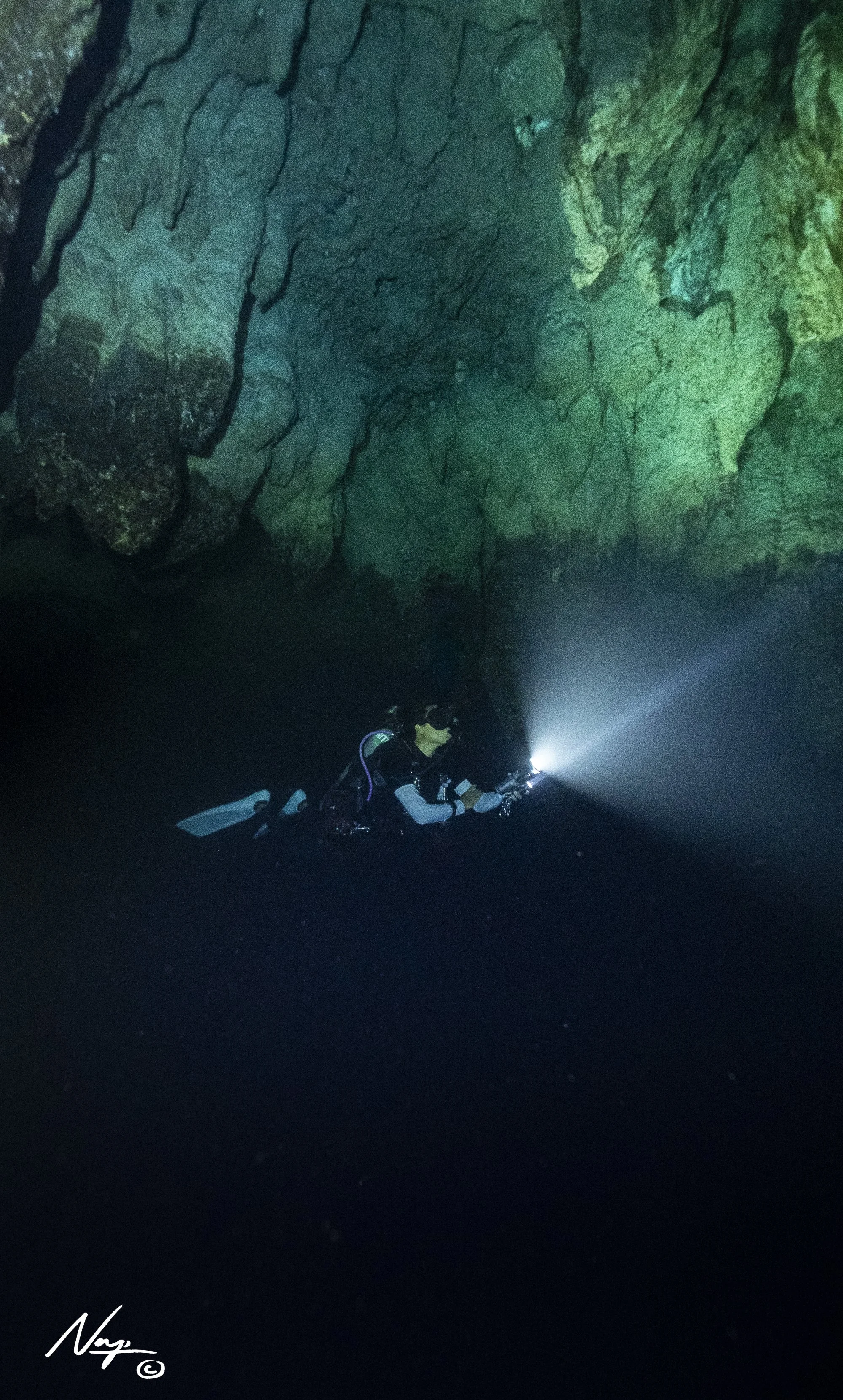
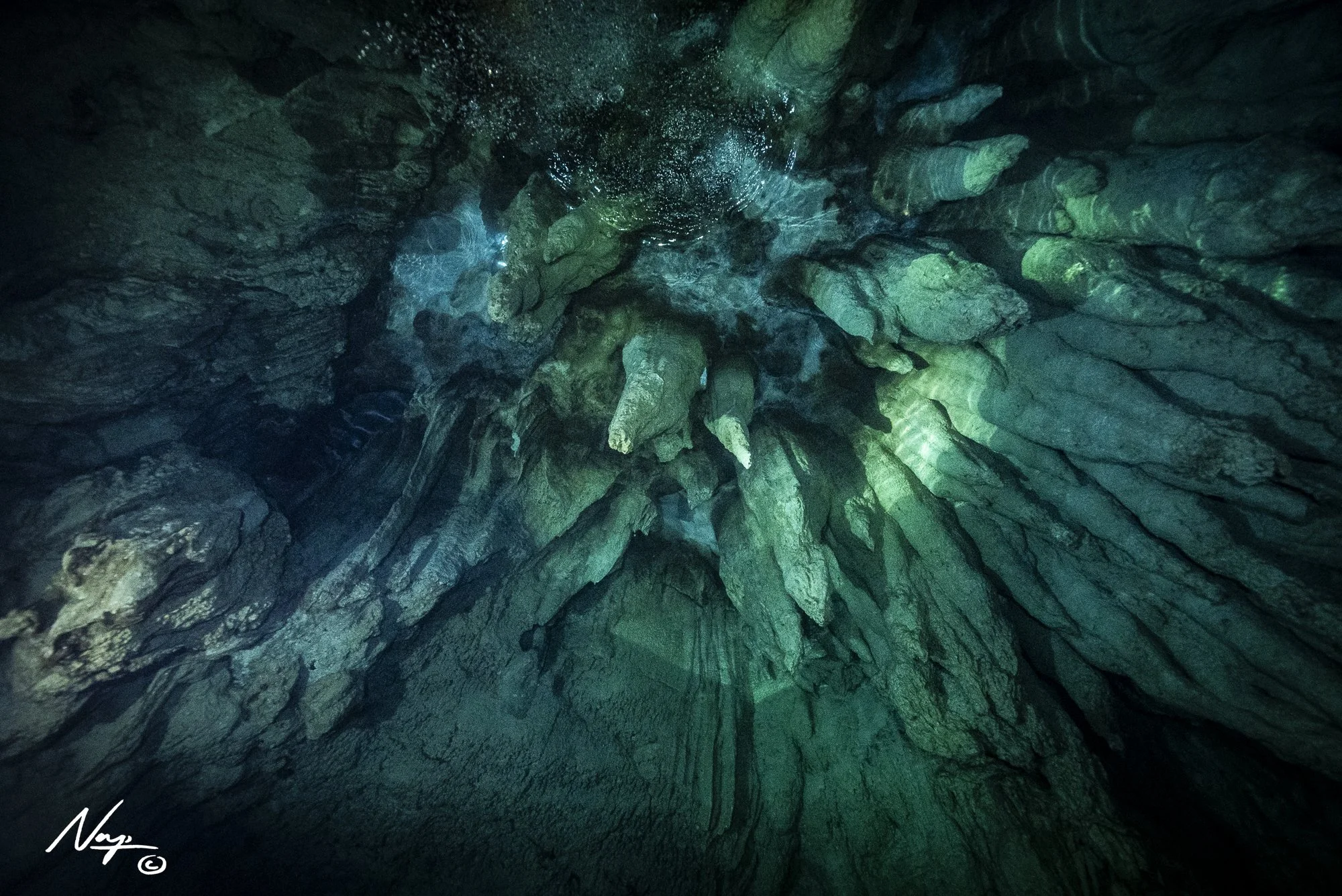
The grand finale of cavern sites in Palau was Chandelier Cave. Interestingly, this was the only site I had to persistently request to visit, and I’m very glad I did so. Unlike the other cavern sites, Chandelier is barely a five-minute boat ride from the shop and at first appears to be an ordinary snorkelling site surrounded by luscious green trees and shallow turquoise water beneath. But the small hole in the entrance gradually leads to huge chambers with white stalactites hanging from the ceiling are what give the cave its enticing name, and the large, deep spaces between the ceiling and the floor make you feel like you’re floating in the blackness of outer space. Unfortunately, there were two other boats that had arrived just before us, which made the dive feel quite crowded in a relatively tight space, and ultimately precluded us from visiting the fourth and final chamber. Nevertheless, I experienced a massive dopamine hit as a cave diver, and for me, it was the perfect conclusion to the week of diving.
If I were note a few additional observations to help manage expectations in advance, they would be as follows:
The water temperature rarely drops below 28°C, so a 3mm wetsuit will be more than adequate for most divers. I utilised the two-piece Cressi Apnea Skin 2mm wetsuit with ScubaPro tech shorts and it worked splendidly for me.
The wifi is sporadic at best, so I wouldn’t plan on working remotely here. You can get a special SIM card for phone calls, but honestly, being able to unplug all day long really helps make you feel like you’re on holiday.
USD is the official currency. Cash and credit card are both accepted, but all credit card transactions have a 3% surcharge, which, combined with conversion rates, can easily balloon the budget.
There are no Ubers or taxis in Palau, so you will need to either rent a car or arrange for transfers with the dive operator with which you are booked.
If you are coeliac or allergic to gluten, be warned there is a noticeable absence of gluten free substitutes for standard ingredients (eg. bread, pasta, soy sauce, etc.), so be prepared to either be flexible and improvise, or chance it if your intolerance is mild.
Smoking is quite common in Palau, even on the dive boats, so be prepared if you dislike being close to cigarette smoke.
Although the dry season lasts from December to April, torrential downpours can still occur without warning, and quickly turn an idyllic, warm sunny day into a colder, greyer day. It is the tropics, after all!
Technical diving, while possible with certain operators like Fish N Fins, cannot be done on an impromptu basis and needs to be booked at least a year in advance so that all the supplies and logistics can be arranged.
Overall, my visit to Palau was easily the most satisfying, wholesome dive trip I’ve had in recent memory, and it has now made it to my Mount Rushmore of diving destinations. There is no doubt I have every intention of returning to dive there again, although next time, it will be with a rebreather and hopefully on a liveaboard. While I absolutely love the simplicity of scuba diving, I’ve admittedly been spoiled by the advantages of rebreathers, and look forward to the day I can do deeper, longer, quieter dives in one of the most paradisal locations I’ve had the privilege of visiting.